
Sealants and Fluoride
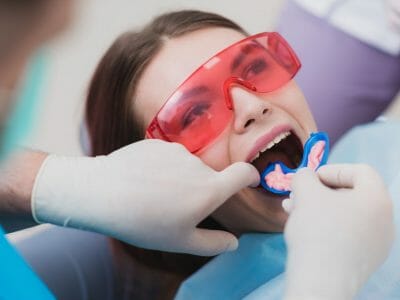 Preventive Protection for Long-Term Oral Health
Protecting teeth from cavities and enamel wear starts with strong preventive care habits and early intervention. At Dentistry of West Bend, Dr. Harding provides custom dental sealants and fluoride treatments designed to help strengthen enamel, reduce the risk of decay, and support long-term oral health for children, teens, and adults throughout West Bend, Wisconsin.
These preventive treatments create additional protection in vulnerable areas where toothbrush bristles may not always reach effectively.
Understanding Dental Sealants
Dental sealants are thin protective coatings applied to the chewing surfaces of molars and other back teeth. These areas often contain deep grooves and fissures where food particles, plaque buildup, and bacteria may become trapped.
Sealant material is carefully brushed onto the surfaces of the teeth to create a protective barrier that helps reduce the risk of cavities and enamel damage. Once applied, the coating hardens and helps protect vulnerable chewing surfaces from food debris and acid exposure.
Many patients receive protective applications on permanent teeth shortly after the first molars and back molars erupt.
How Fluoride Helps Protect Teeth
Fluoride is a naturally occurring mineral that helps strengthen enamel and protect teeth against acid attacks caused by bacteria, sugary foods, and acidic beverages.
Fluoride treatments may help:
- Strengthen weakened enamel
- Reduce the risk of dental decay
- Support healthy tooth structure
- Protect vulnerable areas of the mouth
- Improve resistance to cavities
Fluoride may be applied as fluoride varnish, gel, or foam during preventive dental visits. Many patients also benefit from fluoride toothpaste as part of their daily oral hygiene routine.
How Sealants and Fluoride Work Together
Preventive coatings and fluoride treatments are often used together as part of a comprehensive preventive care plan.
Fluoride helps strengthen tooth enamel, while protective coatings provide a physical barrier that covers the deep grooves of molars where cavities commonly develop. Together, these treatments help reduce exposure to bacteria, food particles, and plaque buildup that may contribute to tooth decay.
This combination is considered an effective way to support optimal oral health for both children and adults.
Dental Sealant Materials and Safety
Most protective coatings are made from durable dental materials such as resin-based plastic coatings or other protective liquid sealant compounds designed to bond securely to the surfaces of the teeth. These thin plastic coatings are carefully applied to create a smooth protective shield over vulnerable chewing surfaces.
Some patients have questions about ingredients such as bisphenol A (BPA). The amount present in modern sealant materials is extremely low, and dental professionals follow established safety standards when selecting treatment materials.
Who May Benefit From Sealants and Fluoride Treatments?
Sealants and fluoride treatments are commonly recommended for children, teens, and adults who may be at higher risk for cavities or enamel wear. These preventive treatments help protect vulnerable chewing surfaces, strengthen enamel, and support long-term oral health as part of a preventive dentistry plan.
These treatments may be especially helpful for patients who:
- Have deep fissures in molars
- Experience frequent cavities
- Consume sugary foods or acidic beverages regularly
- Have sensitive teeth
- Are considered high risk for dental decay
- Have difficulty cleaning certain surfaces of the teeth effectively
Preventive treatments may also benefit patients with orthodontic appliances, enamel erosion, or other oral health concerns affecting cavity risk.
Understanding the Application Process
The application process for sealants and fluoride treatments is quick, comfortable, and noninvasive. During the appointment, the teeth are cleaned and dried before an acidic solution is briefly applied to create a rough surface that helps the sealant bond securely to the enamel.
The liquid protective coating is then brushed onto the chewing surfaces of the molars and hardened with a curing light. Fluoride varnish or gel may also be applied during the same appointment to provide additional protection against cavities and enamel wear.
Sealants and Cavity Prevention
Protective coatings are designed to reduce the risk of cavities, but they do not guarantee complete protection against dental decay.
Even with these preventive treatments in place, patients still need regular brushing, flossing, fluoride toothpaste, routine exams, and preventive dental visits to maintain healthy teeth and gums. These treatments work best when combined with consistent oral hygiene habits and preventive care.
Pros and Potential Limitations of Sealants
Preventive coatings provide several benefits, including:
- Extra protection against cavities
- Reduced plaque buildup in deep grooves
- Protection for chewing surfaces of back teeth
- Support for healthy permanent teeth
- A painless and fast application process
However, these protective layers may eventually wear down or chip over time, especially in patients with heavy chewing pressure or grinding habits. Routine dental checkups help monitor the condition of the sealant bond and determine whether touch-ups are needed.
Caring for Sealants After Treatment
Protective coatings do not require complicated maintenance, but proper care remains important for long-term protection.
Our team recommends:
- Brushing twice daily with fluoride toothpaste
- Flossing regularly
- Limiting sugary foods and beverages
- Scheduling regular dental checkups
- Avoiding chewing hard objects such as ice
With proper care, many preventive applications remain effective for several years before needing reapplication or adjustment.
How Long Sealants Typically Last
Sealants may remain effective for several years, although the lifespan varies depending on chewing habits, oral hygiene, and normal wear.
During routine dental visits, our team checks for signs of wear, chipping, or breakdown. If necessary, additional protective material may be applied to maintain coverage on the chewing surfaces of the molars.
Preventive Dentistry for Children and Teens
Children and teens are often more vulnerable to cavities because the deep grooves of newly erupted molars can trap food particles and bacteria more easily. Preventive treatments such as fluoride applications and protective coatings may help support healthy permanent teeth during important stages of development.
Regular brushing, healthy dietary habits, and routine dental visits all work together to support long-term oral health and reduce the risk of future dental decay.
Insurance and Preventive Treatment Coverage
Many dental insurance plans provide coverage for preventive treatments such as fluoride applications and dental sealants, especially for children and adolescents. Coverage varies depending on the patient’s age, insurance provider, and treatment recommendations.
Our team is happy to help patients throughout West Bend, Wisconsin, review insurance information and answer questions about preventive treatment options during scheduling or consultations.
Schedule a Preventive Dentistry Consultation in West Bend, Wisconsin
If you are interested in additional protection against cavities and enamel wear, preventive treatments may help support long-term oral health for you or your child.
Dentistry of West Bend proudly provides preventive dental services for patients throughout West Bend, Wisconsin, and nearby communities. Contact our office today to schedule a consultation with Dr. Harding and learn more about preventive treatment options.
Frequently Asked Questions
Are sealants only recommended for children?
No. Although commonly recommended for children and teens, adults with deep grooves, cavity concerns, or enamel wear may also benefit from preventive coatings.
How long does the application process take?
The procedure is usually completed during a routine preventive visit and often takes less than an hour, depending on the number of teeth being treated.
Can fluoride treatments help sensitive teeth?
Yes. Fluoride treatments may help strengthen enamel and reduce tooth sensitivity for some patients.
Are dental sealants visible on the teeth?
Protective coatings are usually clear or tooth-colored, making them difficult to notice once applied.
How often should fluoride treatments be repeated?
The frequency depends on cavity risk, oral health needs, and treatment recommendations from your dental care provider.