
Dental Technology
 Modern Systems Designed for Patient Comfort and Accuracy
Advancements in dental technology have transformed the way dentists diagnose conditions, plan procedures, and enhance the overall patient experience. At Dentistry of West Bend, Dr. Harding combines innovative tools with personalized patient care to help support comfort, efficiency, accuracy, and long-term oral health outcomes.
Our office uses high-resolution imaging systems and updated equipment designed to support accurate diagnoses, streamlined treatment planning, and better outcomes for individual patients throughout West Bend, Wisconsin.
How Dental Technology Has Evolved Over the Years
Modern dentistry has come a long way from traditional methods that relied heavily on manual impressions, film X-rays, and limited imaging capabilities.
Today, technological advancements allow dentists to evaluate a patient’s mouth with greater clarity and detail while strengthening communication, treatment planning, and patient education. Contemporary systems also help reduce human error, optimize efficiency, and create more comfortable experiences for patients receiving treatment.
What Is Modern Dental Technology and How Does It Improve Patient Care?
Modern dental technology includes advanced imaging systems, diagnostic equipment, and treatment tools designed to support accuracy, efficiency, and patient comfort. These innovative solutions help dentists identify concerns earlier, streamline treatment planning, strengthen communication, and support better outcomes for patients receiving preventive, restorative, and cosmetic procedures.
At Dentistry of West Bend, our team uses updated systems designed to elevate both the quality of care and the overall patient experience.
High-Power Microscopes for Greater Visibility
Our office uses high-power microscopes similar to those used by ophthalmologists to improve visibility and detail during procedures.
These microscopes help Dr. Harding create restorations with a more refined fit and finish while improving visibility in areas that may be difficult to see during traditional procedures. Enhanced magnification may also help support more detailed treatment planning and improved long-term function.
Focused lighting systems may also help reduce glare and enhance patient comfort during treatment.
Electric Handpieces and Improved Patient Comfort
Electric handpieces are designed to provide smoother, quieter, and more controlled performance compared to traditional air-driven drills.
This equipment may help support:
- Greater control during procedures
- Comfort during treatment
- Restoration accuracy
- Reduced vibration and noise
- A better patient experience
Electric handpieces are commonly used during procedures involving fillings, crowns, veneers, and other restorative solutions.
Digital Radiography and Advanced Imaging
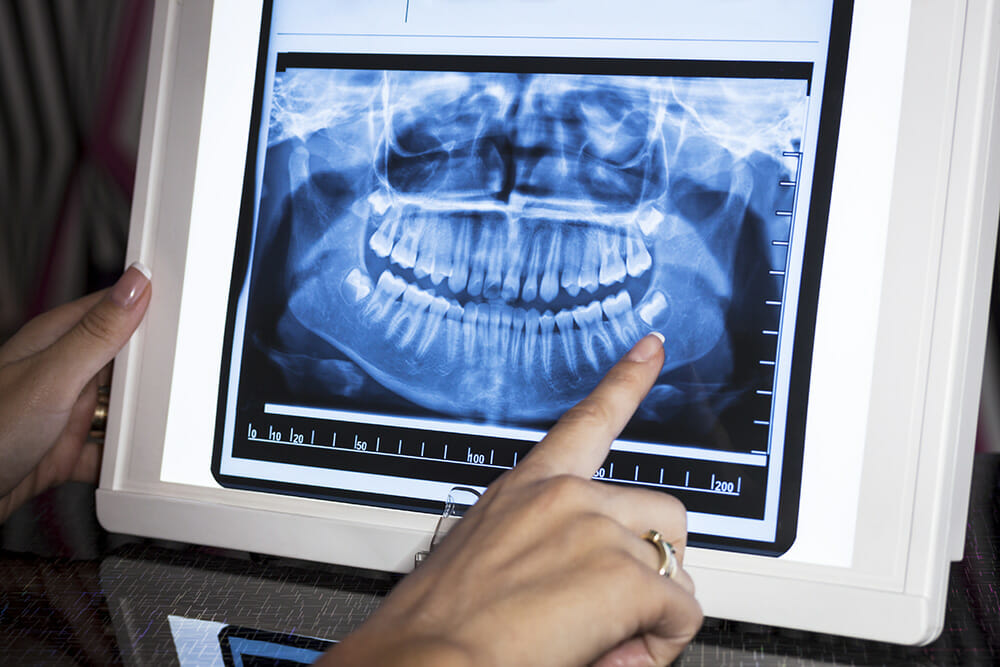
Digital radiography uses advanced sensors to create highly detailed images of the teeth, gums, jaw, and surrounding structures.
Compared to traditional film imaging, digital systems may help:
- Strengthen diagnostic accuracy
- Reduce imaging time
- Support faster communication with specialists
- Refine treatment planning
- Reduce radiation exposure
These images allow Dr. Harding to evaluate bone levels, tooth roots, nerves, cavities, infections, and other issues that may not be visible during a routine examination.
Digital X-Rays and Faster Diagnostics
Digital X-rays provide clear computer-generated images that can be enlarged and reviewed in real time during appointments.
This imaging equipment helps streamline efficiency while supporting more accurate diagnoses for:
- Tooth decay
- Bone loss
- Dental implants
- Infections
- Trauma-related injuries
- Other oral health concerns
Digital imaging systems also make it easier to securely store records and transfer information to specialists, insurance providers, or labs when necessary.
Intraoral Cameras and Patient Education
Intraoral cameras capture enlarged images inside the patient’s mouth to help strengthen visibility and communication during appointments.
These images allow patients to better understand:
- Existing issues
- Treatment recommendations
- Areas of concern
- Changes in oral health over time
Intraoral imaging may also support patient education by allowing individuals to see detailed images of their teeth and gums directly on a monitor during the appointment.
3D Printing and Customized Dental Solutions
3D printing systems have significantly transformed the way modern prostheses and appliances are created.
At Dentistry of West Bend, 3D printing may be used to create:
- Whitening trays
- Occlusal guards
- Orthodontic appliances
- Smile design models
- Other customized appliances
These innovative systems help support accuracy, fit, efficiency, and patient comfort while reducing the need for messy traditional methods and physical impressions.
Labs and Digital Dentistry Workflows
Digital dentistry continues to strengthen communication between offices, specialists, and labs.
Advanced imaging and digital files may help dental technologists and laboratory teams create more precise restorations using various materials designed to match a patient’s needs and treatment goals.
These refinements may help support better-fitting restorations, improved aesthetics, and more efficient turnaround times for patients receiving restorative work.
The Role of Dental Technicians in Modern Dentistry
Dental technicians and dental technologists play an important role in creating restorations and appliances used during treatment.
Working alongside dentists and laboratories, these professionals help fabricate:
- Crowns
- Bridges
- Dentures
- Orthodontic appliances
- Prostheses
- Implant restorations
Their work supports accuracy, customization, and overall treatment success for patients receiving restorative and cosmetic procedures.
Technology and Treatment Planning
High-resolution imaging systems and updated tools help strengthen treatment planning by providing more detailed information about a patient’s oral structures and existing conditions.
These systems may help Dr. Harding evaluate:
- Bone levels
- Tooth positioning
- Existing restorations
- Bite alignment
- Areas requiring treatment
More accurate information may help support better outcomes, improved efficiency, and more personalized treatment options for patients.
Enhancing Patient Comfort and Results
Today’s systems are designed to support both accuracy and patient comfort during appointments.
Many patients appreciate the benefits of advanced equipment that may help reduce:
- Appointment times
- Noise and vibration
- Discomfort during procedures
- The need for traditional impressions
- Delays in communication and planning
At Dentistry of West Bend, our team remains committed to using innovative tools and updated equipment designed to support the best possible care for every patient.
Skilled Support Behind Modern Restorations
Modern dentistry often involves collaboration between dentists, dental technologists, and specialized labs to create restorations and appliances with improved fit, comfort, and aesthetics. These professionals use advanced imaging, digital workflows, and specialized training to help support accurate treatment planning and customized results for patients.
This collaborative approach helps improve efficiency, communication, and overall treatment outcomes while supporting a smoother patient experience from start to finish.
Schedule an Appointment at Dentistry of West Bend
If you are looking for an office that combines advanced systems with personalized patient care, Dentistry of West Bend proudly provides innovative solutions designed to support comfort, accuracy, and long-term oral health.
Our office welcomes patients throughout West Bend, Wisconsin, and nearby communities seeking updated treatment options in a comfortable environment. Contact our office today to schedule an appointment with Dr. Harding.
Frequently Asked Questions
Does modern dental technology improve patient comfort?
Yes. Many modern systems are designed to reduce noise, vibration, treatment time, and discomfort while improving the overall patient experience.
Are digital X-rays safer than traditional X-rays?
Digital X-rays typically use lower radiation levels compared to traditional film X-rays while also providing clearer imaging and faster results.
What are intraoral cameras used for?
Intraoral cameras help dentists capture enlarged images inside the mouth to support diagnosis, patient education, and treatment planning.
How does 3D printing help treatment?
3D printing systems may improve the accuracy and fit of appliances such as whitening trays, occlusal guards, and orthodontic appliances.
Why is modern dental technology important?
Modern dental technology helps support diagnostic accuracy, treatment planning, communication, efficiency, and patient comfort during procedures.