
Crowns
 Strengthening Smiles With Custom Restorations
Dental crowns are designed to strengthen and protect teeth that can no longer function properly on their own. Whether a tooth has been cracked, weakened, worn down, or treated with a root canal, a custom restoration can help restore both durability and appearance.
At Dentistry of West Bend, Dr. Harding provides custom restorations for patients throughout West Bend, Wisconsin. Each crown is carefully designed to support long-term oral health while blending naturally with the surrounding smile.
How Crowns Protect Damaged Teeth
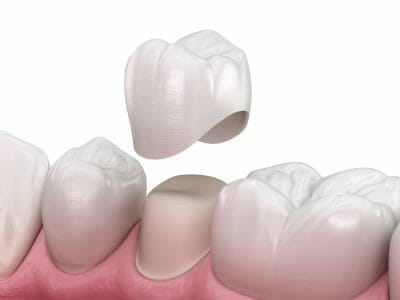
Dental crowns are custom-made coverings placed over a damaged or weakened tooth to restore strength, appearance, and function. A restoration is designed to fit securely over the entire tooth above the gum line, helping protect the remaining tooth structure from additional wear or breakage.
Crowns are commonly recommended when a tooth cannot be adequately restored with a filling alone. Once placed, the restoration is shaped and color-matched to blend naturally with surrounding teeth.
Situations Where a Crown May Be Recommended
A crown procedure may be recommended for several reasons, including:
- Protecting a tooth after root canal treatment
- Restoring a cracked or broken tooth
- Strengthening a weakened tooth affected by extensive tooth decay
- Covering a dental implant
- Replacing worn dental work
- Supporting a dental bridge
- Improving the appearance of misshapen or discolored teeth
- Protecting a tooth with a large filling and limited remaining structure
Crowns may also help reduce the risk of infection or further damage when a tooth has become severely weakened.
Crown Material Options
Several types of restorations are available depending on the location of the tooth, cosmetic goals, bite pressure, and overall oral health.
Ceramic Crowns
Ceramic crowns are often recommended for front teeth because they closely resemble natural enamel and provide highly aesthetic results.
Porcelain Crowns
Porcelain restorations are designed to blend naturally with surrounding teeth and are commonly used in visible areas of the smile.
Zirconia Crowns
Zirconia crowns are known for their durability and strength, making them a popular choice for back teeth that experience greater chewing pressure.
Metal Crowns
Metal crowns are extremely durable and may be recommended for molars or less visible areas where strength is the primary concern.
Resin Crowns
Resin crowns are generally more affordable but may wear down faster than other materials over time.
Some restorations combine different materials to improve both appearance and durability.
Choosing the Right Type of Crown
The ideal restoration depends on several factors, including:
- The location of the tooth
- The condition of the remaining structure
- Bite pressure from opposing teeth
- Cosmetic preferences
- Existing dental work
- Overall oral health
Our team will explain the different types of restorations and help determine the right treatment option for your needs.
What Should I Expect During the Dental Crown Procedure?
The dental crown procedure usually takes place over two visits. During the first appointment, the tooth is prepared, and impressions are taken for the custom restoration. At the second visit, the permanent crown is placed, adjusted for fit, and secured to restore strength and function.
During the process, our team works carefully to ensure comfort, proper bite alignment, and a natural-looking appearance. The goal is to restore the tooth while helping it function comfortably during everyday activities like chewing and speaking.
The First Appointment
During the initial visit, our team evaluates the tooth, surrounding gums, and overall oral health before beginning treatment.
The first step involves preparing the tooth by removing damaged or weakened areas. Depending on the condition of the tooth, this may include removing decay, replacing old fillings, or reshaping the surface.
After preparation, an impression of your tooth is taken and sent to a dental lab where the final restoration is custom-crafted to fit your smile. A temporary crown is typically placed before you leave the office to protect the prepared tooth until your second appointment.
The Second Appointment
At the second visit, the temporary restoration is removed, and the permanent crown is placed.
Our team carefully checks the fit of your new crown, bite alignment, and appearance before securing it in place with strong dental cement. Minor adjustments may be made to improve comfort and ensure proper function.
Once completed, the restoration should feel stable and function similarly to a natural tooth.
Recovery After Crown Placement
Most patients can return to normal activities shortly after placement. Mild soreness or sensitivity near the gum line may occur temporarily, especially after the first appointment or following placement of the permanent restoration.
Patients are often advised to avoid very sticky or hard foods while adjusting to the restoration. Good oral hygiene practices, including brushing with fluoride toothpaste and attending routine dental visits, help protect both the restored tooth and surrounding teeth.
If discomfort persists or the bite feels uneven, our office can make additional adjustments as needed.
Potential Risks and Complications
Restorations are widely considered safe and reliable, but like any dental procedure, there are potential risks.
Possible complications may include:
- Temporary sensitivity
- Discomfort near the gum line
- Wear affecting opposing teeth
- Loosening of the restoration
- Chipping or cracking
- Allergic reaction to certain materials
- Irritation related to metal allergies
Proper oral hygiene and routine dental care help reduce the risk of complications and support the lifespan of a restoration.
How Long Dental Crowns Typically Last
The lifespan of a restoration depends on several factors, including oral hygiene habits, bite pressure, and the material used.
Many restorations remain durable and functional for years when properly maintained. Patients who grind their teeth, chew hard objects, or neglect routine oral care may experience more wear over time.
Consistent preventive care helps extend the lifespan of a crown and reduce the likelihood of further decay around the restoration. Addressing damage early may also help preserve more natural tooth structure and reduce the need for more extensive dental work later.
Caring for Your Restoration
Crowns do not require complicated maintenance, but healthy oral hygiene habits are essential.
Our team recommends:
- Brushing twice daily with fluoride toothpaste
- Flossing around the restoration carefully
- Scheduling regular dental visits
- Avoiding chewing ice or hard objects
- Wearing a nightguard if teeth grinding is present
Protecting the restored tooth helps support long-term comfort, function, and oral health.
Understanding the Cost of Dental Crowns
The cost of dental crowns depends on several factors, including:
- The type of restoration selected
- The materials used
- The complexity of treatment
- Whether additional procedures are required
- Insurance coverage through your dental insurance plan
Some dental insurance plans may provide partial coverage for treatment when care is considered medically necessary. Our team is happy to help patients throughout West Bend, Wisconsin, review financing options and available benefits before care begins.
Functional Support With Cosmetic Benefits
Although crowns are primarily used to restore damaged teeth, they may also improve the appearance of the smile.
Custom restorations can improve the appearance of teeth affected by discoloration, uneven shape, wear, or visible damage. In some cases, crowns may be recommended alongside cosmetic dentistry treatments such as veneers or clear aligners to support both function and aesthetics.
Schedule a Consultation in West Bend, Wisconsin
If you have a damaged tooth, worn dental work, or symptoms related to tooth decay, a restoration may help rebuild the strength and appearance of your smile.
Dentistry of West Bend proudly provides custom restorations for patients throughout West Bend, Wisconsin, and nearby communities. Contact our office today to schedule a consultation with Dr. Harding and learn more about your treatment options.
Frequently Asked Questions
Are dental crowns painful?
Most patients experience little to no discomfort during the procedure thanks to local anesthetics and modern dental techniques. Mild soreness or sensitivity may occur temporarily after treatment.
Can a crown protect a damaged tooth?
Yes. Crowns help strengthen and protect weakened teeth while reducing the risk of additional cracking, wear, or further decay.
How long does the dental crown procedure take?
Most procedures require two visits. The first appointment focuses on tooth preparation and impressions, while the second appointment involves placement of the permanent restoration.
Can a dental crown be replaced?
Yes. If a crown becomes worn, damaged, loose, or no longer fits properly, it can often be replaced with a new restoration.
Does dental insurance cover crowns?
Some dental insurance plans may partially cover treatment depending on the reason for care and the details of your dental plan.