
Occlusal Disease Treatment
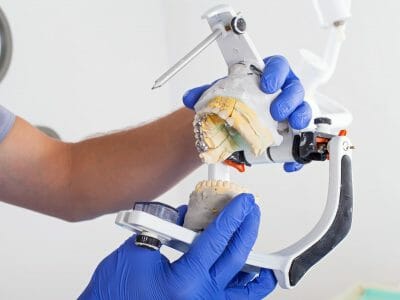 Restoring Jaw Function and Lasting Oral Health
Occlusal disease occurs when the upper and lower teeth do not come together properly. Poor positioning and uneven pressure across the teeth may gradually affect tooth structure, jaw comfort, chewing function, and overall oral health over time.
At Dentistry of West Bend, Dr. Harding performs comprehensive evaluations designed to identify alignment issues early before they contribute to more costly problems. Patients throughout West Bend, Wisconsin, trust our office for personalized occlusal disease treatment focused on improving comfort, jaw function, and long-term dental health.
Understanding Occlusal Disease and Alignment Problems
Occlusion refers to the way the upper and lower dental arches fit together when the mouth closes. When positioning problems or uneven pressure affect this relationship, patients may develop jaw dysfunction and related complications.
Alignment issues may contribute to:
- Tooth wear
- Jaw pain
- Frequent headaches
- Tooth sensitivity
- Loose teeth
- Enamel erosion
- Cracked fillings
- Damage to restorations
- Facial muscle discomfort
- Clenching and grinding
Over time, untreated pressure on certain teeth and jaw structures may create a destructive process affecting both comfort and function.
What Is Occlusal Disease Treatment?
Occlusal disease treatment focuses on correcting uneven pressure and improving the relationship between the upper and lower teeth.
Care may involve:
- Mild reshaping of the teeth
- Orthodontics
- Splints or night guards
- Restorative work
- Fillings or crowns
- Dental restorations
- Occlusal adjustments
- Orthodontic treatment
Every treatment plan is personalized based on the patient’s symptoms, positioning concerns, and overall dental health.
Occlusal Analysis and Comprehensive Evaluation
An occlusal analysis gives Dr. Harding a closer look at how a patient chews and where pressure is being placed throughout the mouth.
During a comprehensive evaluation, our team may examine:
- Tooth positioning
- Signs of visible wear
- Jaw joint function
- Facial muscles
- Existing restorations
- Enamel damage
- Clenching patterns
- Contact points between the upper and lower teeth
This process helps identify incorrect relation patterns between the upper and lower teeth while guiding appropriate care recommendations.
Symptoms Commonly Associated With Alignment Issues
Many patients are unaware that chronic discomfort or dental problems may be related to poor alignment.
Symptoms of occlusal disease may include:
- Jaw pain
- Frequent headaches
- Tooth sensitivity
- Chipped or cracked teeth
- Temperature changes affecting comfort
- Loose teeth
- Worn enamel
- Muscle soreness
- Bruxism
- Difficulty chewing
Some patients may also notice damage affecting crowns, bridges, fillings, or other restorations due to uneven pressure.
Occlusal Adjustments and Tooth Reshaping
An occlusal adjustment involves carefully reshaping specific tooth surfaces to improve contact patterns and reduce excessive pressure.
Mild reshaping of the teeth may help:
- Improve chewing balance
- Reduce stress on the jaw joint
- Relieve discomfort
- Protect enamel
- Improve overall function
- Reduce excessive pressure on individual teeth
This conservative approach may improve chewing harmony while helping preserve the longevity of natural teeth and restorations.
Orthodontics and Alignment Correction
Some patients benefit from orthodontics or orthodontic treatment when jaw function problems are caused by poor alignment or improper tooth positioning.
Corrective care may help:
- Improve jaw function
- Reduce pressure points
- Improve chewing function
- Support proper alignment
- Protect surrounding teeth
Traditional braces or clear aligners may sometimes be recommended as part of a combination of several procedures used to address more advanced alignment concerns.
Restorative Dentistry and Occlusal Restoration
Restorative dentistry procedures may also play an important role in occlusal disease treatment.
Depending on the patient’s needs, restorative work may involve:
- Dental crowns
- Fillings
- Bridges
- Dental implants
- Partial restorations
- Replacement of damaged restorations
These procedures may help restore damaged teeth while improving overall function and chewing stability.
Dental Splints and Night Guards for Clenching and Grinding
Splints and night guards are commonly used to reduce pressure caused by clenching and grinding.
These appliances may help:
- Protect enamel
- Reduce jaw muscle strain
- Limit tooth wear
- Improve comfort
- Reduce stress on restorations
- Improve sleep comfort
Night guards are often recommended for patients experiencing bruxism, jaw tension, or headaches associated with occlusal problems.
What Happens if Occlusal Problems Are Left Untreated?
Without treatment, uneven pressure may contribute to tooth wear, jaw pain, enamel damage, headaches, cracked restorations, gum recession, and difficulty chewing. Early diagnosis may help prevent more complex dental problems while improving comfort, chewing function, and long-term oral health.
Long-Term Benefits of Occlusal Disease Treatment
Treating uneven pressure may improve more than chewing comfort alone. Many patients experience improvements in overall dental health, jaw function, and daily comfort after care.
Potential long-term benefits may include:
- Improved chewing stability
- Reduced tooth wear
- Better chewing efficiency
- Improved comfort
- Protection for restorations
- Reduced headaches
- Improved jaw support
- Enhanced longevity of dental work
Consistent maintenance and routine examinations help preserve results over time.
Maintaining Results After Treatment
Patients are encouraged to maintain healthy oral hygiene habits and continue regular dental visits following occlusal disease treatment.
Ongoing care may include:
- Wearing splints or retainers as instructed
- Routine cleanings and examinations
- Monitoring restorations
- Addressing clenching habits
- Following care recommendations
- Maintaining proper oral hygiene
Regular evaluations help identify new pressure changes early before they begin affecting jaw function again.
Personalized Occlusal Disease Treatment Plans
Every patient experiences occlusal disease differently. Some individuals may develop symptoms because of genetic factors, while others experience uneven pressure due to clenching, missing teeth, tooth wear, or shifting restorations.
Dr. Harding develops personalized treatment plans designed to improve:
- Jaw stability
- Comfort
- Tooth preservation
- Jaw support
- Function
- Long-term oral health
Our office focuses on conservative and personalized dentistry solutions designed to support predictable and comfortable outcomes.
Schedule an Occlusal Disease Treatment Consultation
If you are experiencing jaw pain, tooth sensitivity, worn enamel, headaches, or chewing discomfort, Dentistry of West Bend provides personalized occlusal disease treatment solutions designed to improve comfort, function, and oral health.
Our office welcomes patients throughout West Bend, Wisconsin, and nearby communities seeking modern dentistry services in a comfortable environment. Contact our office today to schedule a consultation with Dr. Harding and learn more about treatment options for occlusal disease.
Frequently Asked Questions
Can occlusal disease cause headaches and jaw pain?
Yes. Uneven pressure may strain the jaw joint and facial muscles, contributing to headaches, jaw pain, and chronic discomfort.
Are night guards effective for occlusal disease treatment?
Yes. Night guards and splints may help reduce pressure from clenching and grinding while protecting enamel and restorations.
Can untreated occlusal disease damage teeth?
Yes. Untreated jaw dysfunction may contribute to tooth wear, enamel erosion, cracked restorations, gum recession, and tooth loss over time.
Is orthodontic treatment sometimes needed for occlusal disease?
Yes. Orthodontics or aligner therapy may sometimes be recommended to improve positioning and jaw function as part of comprehensive care.
How is occlusal disease diagnosed?
Diagnosis typically involves a comprehensive evaluation, occlusal analysis, and examination of contact patterns, tooth wear, jaw function, and related symptoms.