
Nightguards (bruxism treatment)
 Protecting Your Teeth From Grinding and Clenching
Teeth grinding and jaw clenching can place excessive pressure on your teeth, jaw muscles, and temporomandibular joint over time. Many patients are unaware they grind their teeth until symptoms such as jaw soreness, tooth wear, headaches, or facial pain begin to appear.
At Dentistry of West Bend, Dr. Harding provides custom nightguards designed to help protect teeth from damage caused by bruxism while supporting long-term oral health and comfort. Patients throughout West Bend, Wisconsin, trust our team for personalized treatment options tailored to their symptoms and dental needs.
What a Nightguard Is
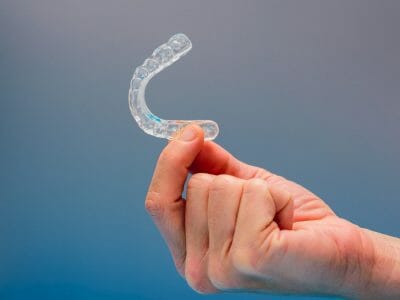
A nightguard, sometimes called a mouth guard or bite guard, is a custom oral appliance worn while sleeping to reduce pressure caused by teeth grinding and jaw clenching.
Nightguards are typically made from durable, clear materials that fit securely over the upper or lower arches of the teeth. The appliance creates a protective barrier that helps reduce tooth damage, enamel erosion, and stress placed on the jaw during sleep.
Custom nightguards are designed using dental impressions to create a comfortable fit tailored specifically to your bite.
Understanding Bruxism
Bruxism is the medical term for involuntary teeth grinding or jaw clenching. Some patients grind their teeth during waking hours, but many experience symptoms primarily while sleeping.
Over time, untreated grinding may contribute to:
- Tooth wear
- Enamel loss
- Cracked teeth
- Facial pain
- Chronic jaw pain
- Headaches
- Sore jaw muscles
- Interrupted sleep quality
- Damage to existing dental work
In severe cases, grinding may also affect the temporomandibular joint and contribute to TMJ-related discomfort.
Common Causes of Teeth Grinding
Several factors may contribute to bruxism and jaw clenching, including:
- Stress and anxiety
- Poor sleep quality
- Bite alignment problems
- Obstructive sleep apnea
- Jaw misalignment
- Certain lifestyle habits
- Physical tension
- Emotional stress
Some patients may also experience grinding related to temporomandibular joint disorder or other oral health concerns affecting the bite and lower jaw.
How Do I Know If I Need a Nightguard?
Many patients are unaware they grind or clench their teeth until symptoms become more noticeable. Signs that may indicate the need for a custom night guard include jaw soreness, morning headaches, tooth sensitivity, facial pain, visible tooth wear, or interrupted sleep caused by grinding sounds during the night.
During an evaluation, Dr. Harding can examine your teeth, bite alignment, jaw muscles, and signs of enamel erosion to determine whether a nightguard may be beneficial for your oral health.
Types of Nightguards Available
Several types of nightguards are available depending on the severity of grinding, bite alignment, and patient comfort needs.
Soft Night Guards
Soft night guards are commonly recommended for mild grinding and clenching. They are designed for comfort and flexibility.
Hard Acrylic Nightguards
Hard nightguards are often used for patients with heavy grinding because they provide greater durability and protection against long-term tooth wear.
Dual-Layer Nightguards
Some appliances combine a soft interior with a hard outer layer to improve both comfort and durability.
Our team can recommend the best fit based on your symptoms, bite pattern, and grinding severity.
Custom Nightguards vs. Store-Bought Mouthguards
Store-bought mouth guards are available over the counter, but they are not custom-designed to fit your teeth and jaw alignment.
Custom nightguards are created using an impression of your teeth and fabricated through a dental laboratory to provide a more secure and comfortable fit. Because custom appliances are designed specifically for your bite, they may offer better protection and improved comfort compared to generic over-the-counter options.
Many patients also find that custom appliances are easier to wear consistently throughout the night.
How Custom Nightguards Are Made
The process typically begins with a consultation and evaluation at our dental office.
During the appointment, dental impressions are taken to capture the shape of your teeth and bite alignment. These impressions are then sent to a dental lab where the custom appliance is carefully fabricated.
Once the new night guard is ready, our team checks the fit, comfort, and alignment before providing instructions for use and maintenance. Necessary adjustments may also be made to improve comfort and effectiveness.
Nightguards and TMJ Symptoms
Nightguards may help reduce pressure placed on the temporomandibular joint by minimizing grinding and clenching during sleep.
For some patients, reducing strain on the jaw muscles and bite may help improve symptoms such as jaw tension, headaches, facial discomfort, or soreness near the temporomandibular joint. Treatment recommendations vary depending on the severity of symptoms and the underlying cause of TMJ-related discomfort.
Caring for Your Nightguard
Proper maintenance helps protect your appliance and support long-term oral health.
Our team recommends:
- Rinse the appliance after each use
- Clean it gently with a toothbrush and mild soap
- Allow it to dry fully before storage
- Keep it in a protective case
- Bring it to regular dental checkups for evaluation
Patients should also monitor for signs of wear, cracks, or fit changes that may indicate the appliance needs adjustment or replacement.
Are Nightguards Worth the Investment?
For many patients, a custom nightguard may help reduce long-term tooth damage, enamel wear, jaw discomfort, and damage to existing dental work. Preventing severe grinding-related complications may also help reduce the likelihood of more extensive restorative treatment in the future.
Custom appliances are designed for durability, comfort, and a more precise fit, making them a better option for many patients compared to over-the-counter alternatives.
Understanding the Cost of Nightguards
The cost of treatment may vary depending on:
- The type of appliance recommended
- The materials used
- The complexity of your bite
- Whether adjustments are needed
- Insurance coverage
During your consultation, our team can discuss treatment recommendations, expected costs, and available options based on your needs.
Schedule a Nightguard Consultation in West Bend, Wisconsin
If you are experiencing teeth grinding, jaw clenching, facial pain, or signs of enamel wear, a custom nightguard may help protect your smile and improve comfort.
Dentistry of West Bend proudly provides bruxism treatment and custom nightguards for patients throughout West Bend, Wisconsin, and nearby communities. Contact our office today to schedule a consultation with Dr. Harding and learn more about your treatment options.
Frequently Asked Questions
Can teeth grinding damage my teeth?
Yes. Grinding and clenching may contribute to enamel erosion, cracked teeth, tooth sensitivity, jaw discomfort, and damage to dental restorations over time.
Are custom nightguards more effective than store-bought options?
Custom appliances are designed specifically for your teeth and bite alignment, which often allows for a more comfortable fit and better long-term protection.
How long does a nightguard last?
The lifespan of a nightguard depends on the severity of grinding, the materials used, and how well the appliance is maintained. Routine evaluations help monitor for signs of wear.
Can a nightguard help with TMJ symptoms?
For some patients, reducing pressure caused by grinding and clenching may help relieve jaw tension, headaches, and discomfort associated with TMJ symptoms.
How do I clean my nightguard?
Nightguards should be rinsed after use, cleaned gently with mild soap and a toothbrush, and stored in a protective case when not being worn.