
Bridges
 Restoring Comfort, Stability, and Smile Appearance
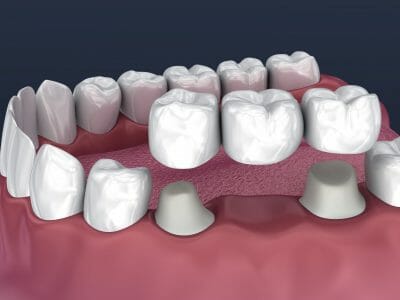
Dental bridges are restorative prostheses used to replace one or more missing teeth. These restorations help fill gaps in the smile while restoring chewing function, appearance, and overall oral health.
At Dentistry of West Bend, Dr. Harding provides personalized bridge solutions designed to restore comfort, improve stability, and protect surrounding teeth from shifting after tooth loss.
Understanding Dental Bridges and Missing Tooth Replacement
A dental bridge uses one or more artificial teeth, known as pontics, to fill spaces created by missing teeth.
Depending on the type of restoration, the prosthesis may be supported by:
- Adjacent teeth
- Crowns
- Dental implants
- Adjacent natural teeth
- Implant-supported restorations
Pontics are commonly crafted from porcelain or similar materials designed to blend naturally with surrounding teeth for a more confident smile.
What Is the Dental Bridge Procedure?
The dental bridge procedure usually involves preparing the supporting teeth, taking impressions, and placing a temporary restoration while the final bridge is created. Once ready, the permanent bridge is bonded into place to restore appearance, chewing function, and smile balance.
Traditional Dental Bridges
Traditional bridges are considered the most common type of dental bridge used for replacing missing teeth.
This type of restoration typically includes:
- One or more pontics
- Crowns
- Adjacent abutment teeth
- Dental cement for placement
Traditional restorations may be recommended when healthy adjacent teeth are available on both sides of the gap and are strong enough to support the permanent bridge.
Maryland Dental Bridge Restorations
A Maryland dental bridge is a more conservative alternative commonly used for front teeth or areas with less bite pressure.
Instead of using crowns, this restoration uses:
- Metal wings
- A porcelain framework
- Bonding material attached to adjacent teeth
- Support behind the surrounding teeth
Maryland restorations may preserve more natural tooth structure while restoring appearance and function.
Cantilever Bridge Solutions
Cantilever restorations are sometimes used when only one adjacent tooth is available for support.
This bridge type may be recommended in certain situations involving:
- Single front tooth replacement
- Limited support areas
- Front of the mouth restorations
Because these restorations rely on one supporting structure, careful evaluation is important to ensure long-term stability and proper chewing balance.
Implant-Supported Dental Bridges
Implant-supported restorations are often considered one of the most stable solutions for replacing several missing teeth.
Unlike traditional restorations that rely on adjacent teeth, these restorations are anchored directly to dental implants placed within the jawbone.
Benefits may include:
- Improved stability
- Better chewing support
- Protection for the surrounding bone
- Reduced movement
- Long-term durability
Some patients may work with an oral surgeon during the implant placement process before the final restoration is secured.
Choosing the Right Type of Dental Bridge
The right restoration depends on several factors involving oral health, tooth loss, and surrounding support structures.
Dr. Harding may consider:
- Number of missing teeth
- Condition of remaining teeth
- Gum tissue health
- Jawbone support
- Location of the gap
- Chewing pressure
- Cosmetic goals
Each patient receives personalized recommendations designed to improve comfort, function, and appearance.
Why Replacing Missing Teeth Matters
Missing teeth may affect more than a smile’s appearance alone. Tooth loss may gradually contribute to shifting teeth, chewing problems, and changes affecting facial structure.
Without replacement, missing teeth may contribute to:
- Bone loss
- Gum disease
- Tooth movement
- Bite imbalance
- Difficulty chewing
- Changes affecting facial muscles
- Additional oral health concerns
Replacing missing teeth promptly may help preserve oral health and surrounding bone support.
How Long Do Dental Bridges Last?
Dental bridges are designed to provide durable and long-lasting support for missing teeth.
With proper care and regular checkups, many restorations may last:
- 5 to 15 years
- Sometimes longer with proper maintenance
- Longer when oral hygiene remains consistent
The longevity of a restoration often depends on oral hygiene habits, gum health, and the condition of supporting teeth.
Caring for a Dental Bridge
Good oral hygiene habits play an important role in maintaining a bridge and protecting surrounding teeth.
Patients are encouraged to:
- Brush twice daily
- Floss carefully around the restoration
- Use floss threaders when recommended
- Attend regular cleanings
- Avoid excessive pressure on the restoration
- Maintain good oral hygiene habits
Routine examinations help ensure the restoration remains in good condition over time.
Risks and Considerations for Dental Bridges
Although these restorations are highly successful, there are situations where complications may occur if supporting teeth or gum tissue become compromised.
Potential concerns may include:
- Tooth decay around crowns
- Gum inflammation
- Damage to supporting structures
- Wear affecting restorations
- Loosening over time
- Bite pressure complications
Regular professional care and proper maintenance may help reduce these risks significantly.
Benefits of Restoring Missing Teeth
Replacing missing teeth may improve several aspects of oral function and comfort.
Benefits may include:
- Improved chewing efficiency
- Better speech support
- Improved smile appearance
- Reduced tooth movement
- Improved bite balance
- Protection for surrounding teeth
- Better overall oral health
Many patients also experience improved confidence after restoring gaps within the smile.
Bridge Costs and Insurance Coverage
The cost of dental bridges may vary depending on:
- Type of restoration
- Number of missing teeth
- Materials used
- Implant involvement
- Additional procedures needed
Many insurance plans provide partial coverage for restorative procedures, although benefits vary depending on the individual plan.
Our office can help patients review treatment options and discuss financial considerations before beginning care.
Personalized Restorative Solutions
Every patient has unique restorative needs, cosmetic goals, and oral health concerns. Dr. Harding develops personalized treatment plans designed to restore function while improving comfort and smile appearance.
Our office focuses on conservative and comprehensive restorative dentistry solutions designed to preserve healthy teeth whenever possible.
Schedule a Dental Bridge Consultation
If you are missing one or more teeth, Dentistry of West Bend provides personalized bridge solutions designed to restore appearance, chewing function, and long-term oral health.
Whether you need a traditional bridge, Maryland restoration, or implant-supported solution, our team is here to help you explore the most appropriate treatment options for your needs. Contact our office today to schedule a consultation with Dr. Harding.
Frequently Asked Questions
How long does it take to get a dental bridge?
Most bridge procedures require at least two visits, including preparation, impressions, placement of a temporary restoration, and delivery of the final prosthesis.
Are dental bridges permanent?
Dental bridges are considered long-term restorations, although they may eventually need replacement due to wear or changes affecting supporting teeth and gums.
Can a dental bridge replace several missing teeth?
Yes. Some restorations are designed to replace multiple missing teeth, depending on the available support and overall oral health.
Do dental bridges require special cleaning?
Yes. Patients should clean carefully around the restoration using floss threaders or other recommended tools to reduce plaque buildup and protect supporting teeth.
Are implant-supported bridges better than traditional bridges?
Implant-supported restorations often provide greater stability and help preserve surrounding bone, although the best option depends on the patient’s oral health and restorative needs.