
Orthodontic Restorations
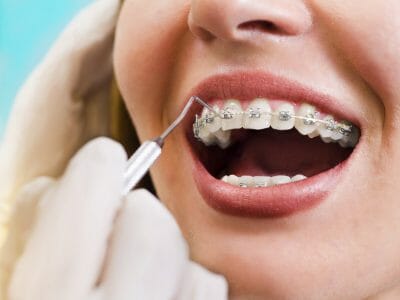 Restoring Function and Appearance After Orthodontic Treatment
Orthodontic treatment may improve bite balance, smile appearance, and tooth positioning, but some patients still need additional dental restoration afterward. Teeth can become chipped, worn, stained, shifted, or damaged over time, even after clear aligners or corrective therapy have addressed positioning concerns.
At Dentistry of West Bend, Dr. Harding provides personalized restorative solutions to improve function, aesthetics, and overall oral health following aligner therapy or corrective treatment. Patients throughout West Bend, Wisconsin, trust our office for restorative dentistry procedures that help preserve previous alignment results, supporting a healthy and clean smile.
Understanding Restorative Solutions After Braces
Restorative procedures may help repair, restore, or improve teeth after braces, aligners, or corrective bite therapy.
These procedures may address concerns such as:
- Chipped teeth
- Tooth movement after braces
- Alignment relapse
- Worn enamel
- Misalignment
- Missing teeth
- Uneven spacing
- Stains or discoloration
Restorative dentistry procedures may also improve bite function, chewing comfort, and smile symmetry after corrective appliances have completed tooth positioning.
Each orthodontic restoration plan is personalized based on smile goals, oral health concerns, and the condition of surrounding teeth and gums.
Tooth Movement and Positioning Changes Over Time
Some patients notice shifting years after aligner treatment or traditional braces, especially if retainers are not worn consistently according to the orthodontist’s instructions.
Teeth may gradually attempt to return toward their original positions over time.
Factors that may contribute to shifting include:
- Inconsistent retainer use
- Natural aging changes
- Tooth loss
- Gum concerns
- Bite pressure
- Changes affecting the surrounding bone and tissue
Routine evaluations may help identify positioning concerns early before they become more advanced.
Should Restorative Work Happen Before or After Corrective Therapy?
The timing of restorative work depends on the patient’s oral health needs, positioning concerns, and smile goals. Some patients benefit from fillings, crowns, or implants before corrective therapy begins. Others complete restorative procedures after aligner treatment has finalized tooth positioning and bite balance.
Dental Bonding and Minor Cosmetic Repairs
Dental bonding is commonly used to repair small chips, cracks, worn edges, or uneven areas affecting front teeth after aligner treatment or corrective therapy.
Bonding materials may help:
- Restore natural tooth color
- Improve symmetry
- Repair minor damage
- Create a more balanced appearance
- Preserve natural teeth
This conservative cosmetic procedure may be a good option for patients seeking subtle aesthetic improvements after corrective treatment.
Crowns, Veneers, and Smile Restoration After Orthodontic Treatment
Some patients may require dental crowns if enamel has experienced extensive damage, decay, fractures, or wear following bite correction or aligner therapy.
Dental crowns may help:
- Protect weakened teeth
- Restore chewing strength
- Improve appearance
- Support the bite function
- Improve durability
Porcelain veneers or resin veneers may also be recommended for patients seeking additional cosmetic improvements after corrective therapy.
These restorations may help address:
- Uneven tooth shape
- Minor spacing concerns
- Discoloration
- Surface damage
- Smile symmetry
Crowns and veneers are custom-crafted to blend naturally with surrounding enamel while improving both aesthetics and daily function.
These cosmetic and restorative solutions may help patients achieve a healthier, more balanced, and more beautiful smile after corrective therapy or aligner treatment.
Dental Implants and Missing Tooth Replacement
Patients missing one or more teeth after corrective treatment or aligner therapy may benefit from dental implants as a permanent solution for tooth replacement.
Dental implants may help:
- Restore chewing support
- Preserve jawbone structure
- Improve smile appearance
- Prevent surrounding teeth from shifting
- Support overall dental health
In some situations, corrective therapy may occur before implant placement to create proper spacing and positioning.
Fillings, Inlays, and Orthodontic Restoration Dentistry
Restorative dentistry may also include treatments such as fillings, inlays, onlays, or enamel repair procedures designed to strengthen damaged teeth.
These procedures may help:
- Restore tooth structure
- Treat decay
- Improve chewing function
- Protect weakened enamel
- Preserve natural teeth
Advancements in dental technology allow many restorations to blend naturally with surrounding teeth for improved aesthetics and durability.
Coordinating Treatment Between the Dentist and Orthodontist
Successful outcomes often involve communication between restorative dentists and alignment specialists.
Depending on the patient’s needs, procedures may involve:
- Traditional braces
- Clear aligners
- Cosmetic procedures
- Restorative dentistry
- Implant planning
- Retainers
Coordinated care helps ensure procedures are completed in the proper sequence for the best possible results.
Timing Restorative Dentistry With Aligners or Corrective Therapy
The timing of restorative dentistry procedures depends on each patient’s condition, oral health status, and smile goals.
Some individuals may benefit from restorative work before corrective therapy. Others may complete cosmetic or restorative procedures after tooth positioning has been finalized.
Factors influencing procedure timing may include:
- Missing teeth
- Decay
- Gum health
- Bite balance
- Tooth structure
- Existing restorations
A custom treatment plan helps determine the most appropriate sequence for each patient.
Retainers and Maintaining Alignment Results
Retainers play a crucial role in maintaining positioning after clear aligners or corrective appliances are completed.
Consistent retainer use may help:
- Prevent shifting
- Maintain final tooth position
- Reduce relapse
- Support bite balance
- Protect previous alignment results
Patients should continue following their orthodontist’s instructions regarding retainer wear to help preserve smile improvements over a long time.
Supporting Long-Term Oral Health and Smile Function
Orthodontic restoration procedures often improve more than appearance alone. Properly positioned and restored teeth may improve chewing efficiency, oral hygiene access, and overall dental health.
Patients are encouraged to maintain:
- Routine cleanings
- Consistent oral hygiene habits
- Professional examinations
- Retainer use when recommended
- Preventive dental care
Monitoring positioning and restorations regularly may help preserve both function and aesthetics over time.
Personalized Treatment Planning for Every Patient
Every patient has unique concerns involving positioning, restoration needs, smile goals, and oral health history.
Dr. Harding develops personalized plans designed to support:
- Functional improvement
- Cosmetic enhancement
- Bite balance
- Tooth preservation
- Long-term oral health
Whether a patient requires minor cosmetic refinements or more advanced restorative dentistry procedures, individualized care helps support predictable and comfortable outcomes.
Schedule an Orthodontic Restoration Consultation
If you are experiencing shifting teeth, damaged enamel, worn restorations, or cosmetic concerns following corrective treatment or aligner therapy, Dentistry of West Bend provides personalized solutions designed to restore comfort, appearance, and function.
Dr. Harding provides personalized orthodontic restoration solutions designed to improve comfort, function, and smile aesthetics after corrective therapy or aligner treatment. Every orthodontic restoration plan at Dentistry of West Bend is personalized to support function, aesthetics, and lasting smile stability.
Our office welcomes patients throughout West Bend, Wisconsin, and nearby communities seeking modern restorative dentistry services in a comfortable environment. Contact our office today to schedule a consultation and learn more about orthodontic restorations.
Frequently Asked Questions
Can teeth shift after braces?
Yes. Teeth may gradually shift over time if retainers are not worn consistently or due to natural changes affecting the mouth and jaw.
Are veneers common after braces or aligners?
Yes. Some patients choose veneers after corrective treatment to improve tooth shape, color, or symmetry.
Can missing teeth be replaced after braces or aligners?
Yes. Dental implants, bridges, and other restorative options may be used to restore missing areas of the smile following corrective treatment.
Is restorative work completed before or after corrective therapy?
Procedure timing depends on the patient’s needs. Some restorations occur before corrective treatment, while others are completed after tooth positioning is finalized.
Do retainers help prevent shifting?
Yes. Wearing retainers consistently helps maintain positioning and reduce the risk of teeth returning toward their original positions.