
Dental Implants
 A Lasting Solution for Missing Teeth
Missing teeth can affect far more than the appearance of your smile. Gaps left by a missing tooth may make it harder to chew comfortably, speak clearly, and maintain healthy oral function over time. At Dentistry of West Bend, patients in West Bend, Wisconsin, have access to advanced tooth replacement options designed to restore comfort, appearance, and confidence.
Dental implants are considered one of the most dependable and natural-feeling ways to replace missing teeth. Whether you are missing a single tooth or several teeth, implant-supported solutions can help restore everyday function while supporting your overall oral health.
What Dental Implants Are
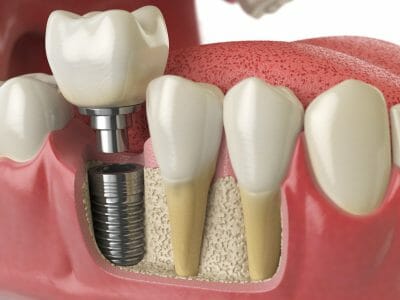
Dental implants are small titanium posts that function as artificial tooth roots. During the procedure, the implant post is placed directly into the jawbone where a tooth is missing. As the area heals, the post gradually bonds with the surrounding bone tissue to create a stable foundation for a replacement tooth.
Once healing is complete, a custom dental crown, bridge, or implant-supported denture is attached to the post. The finished restoration is carefully designed to match the appearance and function of a natural tooth for a seamless result.
Because implants replace both the visible portion of the tooth and the root beneath the gums, they offer stability that many traditional replacement options cannot provide.
Benefits of Implant Restorations
Implant solutions are designed to closely replicate the feel, appearance, and function of natural teeth. Unlike removable dentures, these restorations remain anchored in the jawbone and do not shift while speaking or eating.
Benefits may include:
- Improved chewing ability
- Better speech clarity
- Dependable support while eating and speaking
- Support for oral health
- Reduced risk of bone loss
- A natural-looking smile
- Improved quality of life
- A durable replacement option for missing teeth
These restorations also help preserve facial structure by stimulating the jawbone in much the same way natural tooth roots do.
Who Is a Good Candidate for Dental Implants?
Many adults with one or more missing teeth may be good candidates for dental implants. Candidates typically have healthy gums, sufficient jawbone support, and stable overall health. A consultation at Dentistry of West Bend can help determine whether implant treatment is appropriate for your needs.
During your consultation, our team will evaluate several factors, including:
- The condition of your gums
- Bone volume in the jaw
- Existing oral hygiene habits
- Medical conditions that may affect healing
- Tobacco use
- Signs of periodontal disease
Even if bone loss has already occurred, additional procedures such as bone grafting may help prepare the area for successful placement.
Implant Treatment Options
Single Tooth Replacement
A single implant-supported restoration replaces one missing tooth without affecting neighboring teeth. A custom crown is attached to the implant post to create a secure and natural-looking replacement.
Implant-Supported Bridges
When several teeth are missing in the same area, an implant-supported bridge may be recommended. This option uses strategically placed posts to support multiple artificial teeth.
Full Mouth Restoration
Patients missing most or all of their teeth may benefit from full mouth restoration options. Implant-supported dentures often provide improved comfort and stability compared to traditional removable dentures.
Endosteal Implants
The most commonly used type of implant is the endosteal implant. This approach places the titanium post directly into the jawbone and is widely recommended because of its durability and predictable results.
Subperiosteal Implants
In certain situations, subperiosteal implants may be considered for patients who do not have enough healthy jawbone for traditional placement.
Understanding the Treatment Process
The implant process usually takes place over several months to allow proper healing between phases.
Consultation and Treatment PlanningCare begins with a detailed evaluation of your oral health, jaw structure, and smile goals. Digital imaging may be used to determine the ideal location for the artificial tooth root.
Placement ProcedureOur office works closely with a trusted oral surgeon for implant placement procedures. During surgery, a small incision is made in the gum tissue, and the titanium post is carefully inserted into the jawbone.
Healing and OsseointegrationOver the following months, the implant integrates with the surrounding bone through a process called osseointegration. As healing progresses, the jawbone forms a secure connection around the post to support the final crown or bridge.
Temporary restorations or a temporary crown may be used during healing when appropriate.
Final Restoration PlacementOnce healing is complete, the final crown, bridge, or denture is attached. The replacement tooth is customized for comfort, appearance, and everyday function.
Supporting Jawbone Health After Tooth Loss
One of the biggest advantages of implant-supported tooth replacement is the ability to help minimize bone loss after a tooth is lost.
When a natural tooth root is no longer present, the jawbone in that area may gradually shrink over time. Because implants function like artificial roots, they help stimulate the jawbone during chewing and speaking. This stimulation encourages healthy bone maintenance and may help preserve facial structure.
Potential Risks and Complications
Dental implant surgery is widely regarded as a predictable and reliable procedure when carefully planned and properly maintained, but like any surgical treatment, there are still potential risks.
Possible complications may include:
- Infection
- Delayed healing
- Implant failure
- Nerve irritation
- Sinus complications for upper jaw placement
- Gum inflammation around the restoration
Careful planning, good oral hygiene, and routine dental visits all help reduce these risks significantly.
Long-Lasting Results and Reliability
Implant-supported restorations are widely known for their durability, stability, and natural function. With proper oral hygiene, routine dental visits, and healthy habits, many patients enjoy comfortable, reliable results for many years.
Successful outcomes depend on several factors, including:
- Overall health
- Smoking habits
- Bone quality
- Oral hygiene
- Proper healing after oral surgery
Routine dental care and regular professional cleanings are important for maintaining healthy restorations and supporting reliable results over time.
Caring for Implant Restorations
Implant restorations do not require complicated maintenance, but consistent oral hygiene is essential.
Our team recommends:
- Brushing twice daily
- Flossing around restorations regularly
- Attending routine dental checkups
- Avoiding tobacco products
- Limiting foods and drinks that may stain restorations
Although crowns and artificial teeth are durable, they can still chip or wear over time if exposed to excessive pressure or hard objects.
Understanding Treatment Costs
The cost of care varies depending on several factors, including:
- The number of restorations needed
- Whether bone grafting or additional procedures are required
- The type of restoration used
- The complexity of care
Some dental insurance plans may provide partial coverage for portions of treatment. Our team helps patients throughout West Bend, Wisconsin, understand their options, timelines, and financing considerations.
Schedule a Dental Implant Consultation in West Bend, Wisconsin
If you are exploring dependable tooth replacement options, Dentistry of West Bend can help you determine whether dental implants are right for you.
We proudly serve patients throughout West Bend, Wisconsin, and nearby communities with personalized care focused on restoring comfort, function, and confidence. Contact our office today to schedule a consultation with Dr. Harding.
Frequently Asked Questions
How long do dental implants last?
With proper dental care and regular checkups, implant-supported restorations can remain stable and functional for many years and are often considered a permanent tooth replacement option.
Are dental implants painful?
Most patients report that the procedure is more comfortable than expected. Mild soreness during healing is common and is typically manageable with medication and post-operative instructions.
How long does the treatment process take?
The complete process often takes several months because the jawbone needs time to heal and integrate with the implant before the final restoration can be placed.
Can smokers get dental implants?
Smoking may affect healing and increase the risk of complications. A consultation and evaluation can help determine whether treatment is an appropriate option for your situation.
What happens if I do not replace a missing tooth?
Leaving a missing tooth untreated may contribute to shifting teeth, bone loss, bite problems, and changes in facial structure over time.