
Periodontal Disease Treatment
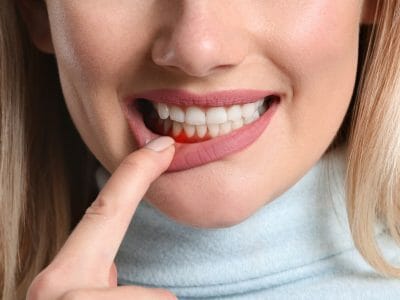 Protecting Your Gums and Future Oral Health
Periodontal disease is a bacterial infection affecting the gums, connective tissue, and supporting bone surrounding the teeth. Without proper treatment, this condition may gradually damage gum tissue, contribute to bone loss, and eventually lead to tooth loss.
At Dentistry of West Bend, Dr. Harding provides personalized periodontal disease treatment focused on controlling infection, improving gum health, and protecting long-term oral function. Our office in West Bend, Wisconsin, welcomes patients seeking comprehensive care for gum disease and related oral health concerns.
Understanding Gum Disease and Periodontal Health
Gum disease develops when harmful bacteria, plaque, and tartar build up around the teeth and below the gum line.
Over time, this bacterial infection may affect:
- Gum tissue
- Tooth roots
- Supporting bone
- Connective tissue
- Overall oral health
Early stages of gum disease may begin with mild inflammation and bleeding gums, while advanced gum disease may involve severe periodontitis, deep pockets, loose teeth, and bone deterioration.
Common Symptoms of Periodontal Disease
Many patients are unaware they have gum disease until symptoms become more noticeable.
Symptoms of gum disease may include:
- Bleeding gums
- Gum recession
- Bad breath
- Swollen gums
- Tooth sensitivity
- Deep pockets around teeth
- Loose teeth
- Pain while chewing
- Red or inflamed tissue
- Tooth movement
Patients experiencing warning signs should seek professional treatment promptly to help prevent more serious complications.
What Causes Periodontal Disease?
Periodontal disease is commonly linked to plaque and tartar buildup caused by poor oral hygiene habits.
Contributing factors may include:
- Skipping regular cleanings
- Inconsistent brushing and flossing
- Tobacco use
- Dry mouth
- Hormonal changes
- Diabetes or immune system concerns
- Existing oral health problems
- Poor gum health
Without proper oral care, bacteria may continue spreading beneath the gums and into the surrounding tissue.
How Is Periodontal Disease Diagnosed?
Dr. Harding diagnoses periodontal disease through a comprehensive evaluation of the gums, teeth, bone levels, and periodontal pockets. During the examination, our team reviews symptoms, medical history, gum inflammation, tooth stability, and signs of infection while determining the stage of gum disease and the most appropriate periodontal treatment options.
Why Early Treatment Matters
Early intervention may help prevent periodontal disease from progressing into more severe stages, affecting the supporting bone and connective tissue.
Without proper treatment, an untreated infection may contribute to:
- Tooth loss
- Bone deterioration
- Deep periodontal pockets
- Gum recession
- Damage to tooth roots
- Chronic inflammation
- Increased oral discomfort
- More complex surgical procedures
Addressing gum disease early often allows for more conservative and effective treatment.
Scaling and Root Planing Deep Cleaning Therapy
Scaling and root planing is one of the most common forms of periodontal therapy used to control bacterial infection below the gum line.
This deep cleaning procedure helps remove:
- Plaque buildup
- Tartar deposits
- Harmful bacteria
- Rough spots on tooth roots
Scaling and root planing may also help reduce inflammation while encouraging gum tissue to tighten around the teeth during healing.
The procedure is commonly completed in sections to allow proper healing between appointments.
Antibiotics and Infection Control
Antibiotics are sometimes prescribed alongside periodontal treatment to help reduce harmful bacteria and control infection.
These medications may help:
- Reduce inflammation
- Improve healing
- Control bacterial growth
- Support disease control
- Improve comfort during recovery
Antibiotics are typically combined with professional cleanings and ongoing oral hygiene improvements for the best results.
Advanced Periodontal Treatment Options
Patients with advanced gum disease may require more extensive periodontal therapy to restore gum and bone support.
Advanced treatment options may include:
- Pocket reduction surgery
- Flap surgery
- Gum grafting
- Tissue regeneration
- Bone grafting
- Laser therapy
These procedures focus on reducing infection, restoring healthy tissue, and improving long-term periodontal health.
Bone Grafting and Tissue Regeneration
When periodontal disease causes significant bone loss, bone grafting procedures may help rebuild support around the teeth.
Bone grafting may involve:
- Synthetic bone material
- The patient’s own bone
- Tissue regeneration techniques
- New bone development
These procedures may help improve stability and prepare some patients for restorative work, such as dental implants.
Dental Implants After Tooth Loss
Advanced periodontal disease may eventually lead to tooth loss if supporting structures become severely damaged.
After periodontal health has stabilized, restorative procedures such as dental implants may help:
- Restore chewing function
- Improve stability
- Replace missing teeth
- Support oral health
- Improve smile appearance
Each treatment plan is personalized based on the patient’s oral condition and healing progress.
Home Care Tips for Supporting Gum Health
Good oral hygiene habits play a major role in maintaining results after periodontal disease treatment.
Patients are encouraged to:
- Brush twice daily
- Floss consistently
- Attend regular cleanings
- Avoid tobacco use
- Maintain healthy nutrition habits
- Use recommended oral care products
Consistent home care helps reduce plaque buildup and supports healthier gums over time.
Signs Periodontal Treatment Is Working
Many patients notice improvements shortly after beginning periodontal therapy and improving their oral hygiene habits.
Signs of improvement may include:
- Reduced gum bleeding
- Less inflammation
- Improved breath freshness
- Reduced sensitivity
- Smaller periodontal pockets
- Improved comfort while chewing
Routine follow-up visits help monitor healing and long-term gum health.
Personalized Periodontal Disease Treatment Plans
Every patient experiences periodontal disease differently depending on the stage of infection, oral health history, and overall health concerns.
Dr. Harding develops personalized treatment plans designed to improve:
- Gum health
- Infection control
- Tooth preservation
- Oral function
- Bone support
- Long-term oral health
Our team focuses on providing conservative and comprehensive dental services designed to improve comfort and protect healthy tissue whenever possible.
Schedule a Periodontal Disease Treatment Consultation
If you are experiencing bleeding gums, gum recession, tooth sensitivity, or other symptoms of gum disease, Dentistry of West Bend provides comprehensive periodontal disease treatment designed to restore gum health and improve oral function.
Our office in West Bend, Wisconsin, provides personalized periodontal therapy, professional cleanings, deep cleaning procedures, and advanced treatment options in a comfortable environment. Contact our office today to schedule a consultation with Dr. Harding.
Frequently Asked Questions
Can periodontal disease cause tooth loss?
Yes. Advanced gum disease may weaken the supporting bone and connective tissue surrounding the teeth, eventually leading to tooth loss if left untreated.
Is scaling and root planing the same as a deep cleaning?
Yes. Scaling and root planing is commonly referred to as a deep cleaning procedure because it removes plaque and tartar beneath the gum line.
Can periodontal disease be reversed?
Early stages of gum disease may often be improved or reversed with professional treatment and improved oral hygiene habits. More advanced stages typically require ongoing periodontal therapy.
Does insurance usually cover periodontal disease treatment?
Many dental insurance plans provide some level of coverage for periodontal treatment, deep cleanings, and related procedures. Coverage varies depending on the plan.
What happens if periodontal disease is left untreated?
Without proper treatment, periodontal disease may continue progressing and contribute to bone loss, loose teeth, gum recession, chronic infection, and eventual tooth loss.