
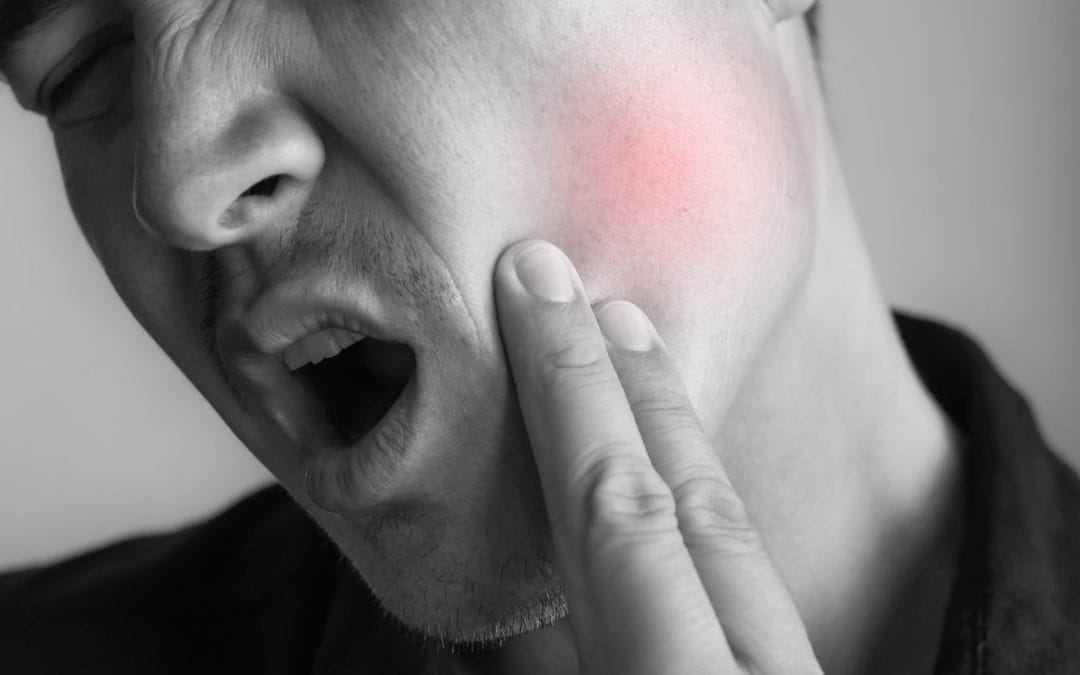
A sore jaw can feel confusing. You might notice headaches near the front of your ears, hear jaw clicking when you chew, or wake up with a tight jaw and wonder what caused it. These issues often connect to how your teeth fit together and how your jaw joint works during daily movement.
At Dentistry of West Bend, we take jaw discomfort seriously and keep the process calm. You deserve clear answers, a proper diagnosis, and treatment options that fit your comfort level. When your bite is part of the root cause, gentle occlusal disease treatment and a custom nightguard can make a real difference.
What is occlusal disease, and how can it affect your jaw joint?
Occlusal disease is a bite problem. It occurs when the upper and lower teeth do not meet in a balanced way or when clenching and grinding overload your bite. Over time, this extra force can irritate the temporomandibular joint (TMJ) and the surrounding muscles that help you chew and speak.
Your TMJ sits near the front of your ears and works with facial muscles, jaw muscles, soft tissues, and the lower jaw to guide movement. When this system is strained, people experience symptoms like muscle tightness, TMJ pain, or jaw stiffness. Some notice changes around the front teeth or bottom teeth, especially if grinding wears edges down.
Common signs your bite may be triggering jaw pain and headaches
Some symptoms come and go, while others build slowly and affect your quality of life. Paying attention early supports better oral health and simpler care.
Here are symptoms that often point to temporomandibular disorders or bite-related strain:
- Jaw pain or facial pain near the jaw area, especially in the morning
- Jaw tightness that makes it hard to relax
- A tight jaw feeling that spreads into the neck muscles
- Neck pain paired with tension-type headaches
- Jaw clicking, popping, or a catching feeling with movement
- Painful muscle contractions when you open wide or chew
- Sensitivity in the top of your front teeth or roof of your mouth after clenching
- Soreness when eating chewy foods or excessive chewing
These signs have many possible causes. A dental exam helps narrow down what is really driving your symptoms.
Why late winter can lead to more jaw clenching and muscle tension
Stress often shows up in your nervous system as muscle tension. In late winter, busy schedules, colder weather, and disrupted sleep can raise that baseline tension. Many people clench their teeth during focused work, long drives, or while sleeping. Over time, clenching and grinding reduce healthy blood flow to tired muscles and limit comfortable range of motion.
Daily habits can also contribute. Gum chewing, nail biting, or frequent snacking on chewy foods can keep your jaw muscles active all day. That steady workload adds to jaw tightness, especially when your bite already has uneven contact on the front or lower teeth.
Could a TMJ disorder be the real problem?
A TMJ disorder involves the temporomandibular joint system. The term overlaps with temporomandibular disorders, which include joint irritation, tight jaw muscles, and inflammation in the soft tissues around the joint. According to the National Institute of Dental and Craniofacial Research, these conditions can involve muscles, joints, or both, and they often need a careful evaluation for the right plan.
Looking at patterns can help. Do you experience jaw tightness after stress? Do headaches happen after long days at a computer? Does your jaw clicking come with tenderness in the facial or neck muscles? These clues help your dentist focus on the root cause, not just the symptom.
What else can cause jaw tightness?
Jaw tightness has several possible sources, and some are not bite-related. In rare cases, systemic conditions can play a role. For example, rheumatoid arthritis is an autoimmune inflammatory disorder that can affect joints, including the jaw joint. A bacterial infection, dental swelling, or other inflammatory issues can also contribute to pain.
Habits and injuries matter too. Sports impacts, poor posture, and muscle overuse can all strain the jaw. That is why a proper diagnosis is so important. When you know what is driving the tight jaw feeling, you can choose treatment options with confidence.
What you can do at home for jaw tension relief
Home care can help calm a flare-up and reduce muscle tightness. These steps also support any dental treatment you may start later.
Try these simple home remedies for tight jaw and TMJ pain:
- Choose soft foods for a few days to reduce strain on the lower jaw
- Avoid excessive chewing, gum, and hard or chewy foods
- Use gentle pressure with a warm compress on the jaw area to support blood flow
- Practice relaxation techniques like slow breathing and jaw “rest position” awareness (lips together, teeth apart)
- Stretch slowly to improve comfortable range of motion, without forcing the jaw open
If symptoms rise to severe pain or if you cannot open your mouth normally, it is time to call for guidance. You do not need to push through escalating pain to prove it is “serious enough.”
How Dentistry of West Bend helps with occlusal disease treatment and nightguards
When you come in, we listen first. We want to understand when your jaw discomfort happens, what it feels like, and how long it has been going on. We also look for bite patterns that overload certain teeth, like heavy contact on the front teeth or uneven pressure across the upper and lower teeth.
Occlusal disease treatment focuses on reducing strain and protecting your smile. One common solution is a custom nightguard, also called a mouth guard, designed to fit your teeth precisely. A nightguard can reduce damage from clenching and help your jaw muscles rest overnight. It can also protect restorations like crowns, bridges, and fillings from grinding forces.
Depending on what we find, we may also discuss other supportive care. Some cases benefit from physical therapy targeting neck and jaw muscles. Others do well with relaxation techniques and habit changes during the day. If you need care beyond our office, we help coordinate and keep you supported throughout the process.
What to expect at your visit (especially if you have dental anxiety)
If you feel nervous about appointments, you are not alone. Dental anxiety is common, especially when pain has been lingering and you are worried about what you will hear. You can expect a steady, respectful pace and clear explanations in plain language. You can also ask questions at any time.
Your visit may include a dental exam focused on your bite and jaw movement. We may check how your teeth come together, look for signs of wear, and ask about headaches, neck pain, and TMJ symptoms. The goal is comfort and clarity, not pressure. When you understand what is happening, you can make calm decisions about treatment options.
When you should schedule an evaluation
You deserve help when symptoms start affecting sleep, eating, or focus. Early detection helps protect your oral health and can prevent long-term wear. If you experience jaw tension with jaw clicking, headaches near the front of your ears, or ongoing tightness that does not improve with soft foods and rest, it is a good time to come in.
Schedule a visit with Dentistry of West Bend to get answers and a plan you feel good about. We can check your bite, discuss occlusal disease treatment, and see if a custom nightguard fits your needs.
Schedule an appointment today to take the next step toward a more comfortable day.
Recent Comments