
You want a healthy smile and clear guidance when a tooth is too damaged to save. At Dentistry of West Bend, we help you understand your options in simple terms. If a tooth can be preserved, we explain how. If removal is the healthiest step, we make the process gentle and calm. Your comfort and oral health come first.
Many people feel nervous about a procedure like tooth extraction. That is normal. You receive clear answers, supportive care, and step-by-step instructions. Our team reviews your medical history, takes careful images, and explains the type of extraction that fits your needs.
What Is a Dental Extraction?
A dental extraction is the removal of a tooth from the mouth. A simple extraction removes a tooth above the gum tissue using local anesthetic. A surgical extraction is a minor surgical procedure for teeth that are broken, impacted, or not fully visible. Both are planned to protect the surrounding soft tissue, periodontal ligament, and jaw bone. We use local anesthesia to numb the area, support pain relief, and keep you comfortable.
How Do You Know If You Need a Tooth Removed?
You may need care if you have severe pain, deep tooth decay, a cracked root, advanced gum disease, painful wisdom teeth, or signs of infection such as swelling or fever. Schedule an exam if chewing hurts, a tooth feels loose, or you see changes in your gums. Early care protects the tooth socket and your overall oral health.
Common Reasons for Removal of a Tooth
- Severe tooth decay that cannot be restored with a filling, crown, or root canal therapy.
- Periodontal disease with bone loss that makes the tooth unstable.
- Cracks that extend into the root, especially in posterior teeth.
- Problem wisdom teeth or a difficult wisdom tooth causing pain or crowding.
- Dental trauma to upper teeth or lower teeth that cannot be repaired.
- Risk of infection near a broken tooth, or clear evidence of persistent dental pain.
If a tooth can be saved, we will explain options like crowns, bonding, or other restorative dentistry. If removal is best, we will discuss the safest and most comfortable plan for tooth removal.
Comfort First: Local Anesthetic, Dental Anxiety, and Planning
You deserve a calm visit. We listen to your concerns and explain each step. A local anesthetic gently numbs the area so you stay comfortable. For some cases, a different type of anesthesia may be discussed. If your needs are complex, or if a wisdom tooth is near the maxillary sinus or the lingual nerve in the lower jaw, we may coordinate with a trusted oral surgeon. If general anesthesia is needed, you remain in caring, coordinated hands. We review all medical conditions to reduce adverse effects and the risk of infection.
What to Expect During a Simple Extraction or Surgical Extraction
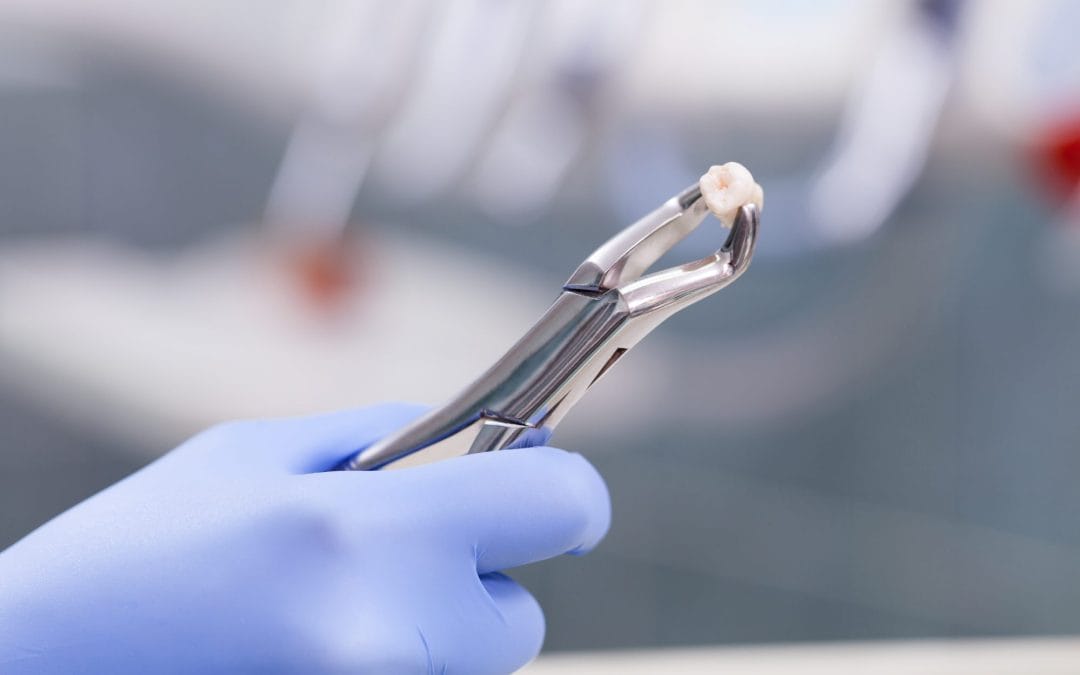
Your general dentist begins with local anesthesia. We confirm you are numb. For a simple extraction, the tooth is loosened from the periodontal ligament, then eased out with dental forceps, often with a curved tip designed for precision. For a surgical extraction, a small opening in the soft tissue may be needed to access the tooth. We protect nearby blood vessels and the surrounding oral cavity. The goal is a smooth removal of a tooth and a stable extraction site with minimal trauma.
After the tooth removal, we place a gauze pad and ask you to bite gently. This helps a blood clot form in the tooth socket. The clot protects the jaw bone during the healing process. We smooth any sharp edges if needed and keep the surgical site clean.
Dental extraction is a common and safe dental surgery when planned carefully.
Caring for Your Extraction Site: Healing Process and Pain Relief
Follow the aftercare instructions closely. Keep the gauze pad in place as directed. Do not disturb the clot. The blood clot is your natural bandage. If it is lost, a dry socket, also called alveolar osteitis, can occur. This can delay the healing time.
- Use an ice pack or an ice bag in the first day to reduce swelling.
- Eat soft foods to protect the area.
- Rinse gently after the first day with 8 ounces of warm water mixed with salt.
- Take recommended pain relievers as directed for pain relief.
- Avoid smoking or using straws, which increase the risk of infection and dry socket.
- Watch for signs of infection such as persistent swelling, fever, or drainage.
Some numbness in the lower lip can happen while the anesthetic wears off. That is normal. Tingling usually fades as feeling returns. If you feel severe pain, or notice unusual bleeding, contact us. Healing time varies by type of extraction and your overall health. We schedule check-ins during the recovery period to support you.
Wisdom Teeth and High-Risk Areas
Wisdom teeth can be impacted or grow at angles that affect nearby teeth. Wisdom tooth extraction may be recommended to prevent pain, infection, or pressure on adjacent posterior teeth. Upper teeth near the maxillary sinus and lower teeth near the lower jaw nerves need extra planning. Our team uses dental technology to gather clear evidence for safe care. When needed, we coordinate with an oral surgeon to protect areas like the lingual nerve and the lower jaw structures.
Can Treatment Save the Tooth Instead of Extraction?
We always look for conservative care first. Root canal therapy can remove infection from inside the tooth. A crown can protect weak enamel. Periodontal disease treatment can stabilize gums. If these options will not restore function or reduce dental pain, a planned tooth extraction may be the healthiest choice.
Replacing a Tooth After Dental Surgery
Your smile should function and feel natural. After the extraction of teeth, we discuss replacement options. A dental implant can replace a single tooth with strong support in the jaw bone. Bridges or dentures can restore several teeth. We review cosmetic dentistry options to match your goals. Restorative dentistry protects your bite and helps prevent shifting teeth and bone loss. We work at your pace and explain each dental treatment in clear steps.
Dental Technology for Safer Planning
Dentistry of West Bend uses modern dental technology to assess your oral health and plan care. We look for clear evidence on images to guide the type of extraction. We review the upper teeth and lower teeth positions, the jaw bone, and soft tissue. Careful planning lowers the chance of adverse effects and supports a smooth recovery period.
When Is a Tooth Extraction the Best Next Step?
When a tooth cannot be saved, removal protects your health and comfort. If you have a deep fracture, repeated infection, advanced gum disease, or ongoing severe pain, ask us for an evaluation. We help you choose the safest path forward with calm, supportive care.
Your Next Step With Dentistry of West Bend
If you are unsure about a possible tooth extraction, start with a gentle exam. We explain findings in simple language. We help you weigh benefits and risks, including type of anesthesia, healing time, and replacement options. You stay informed and in control the whole way.
Schedule an appointment with Dentistry of West Bend today. Relief is possible. With the right plan, you can heal well and smile with confidence.
Recent Comments