
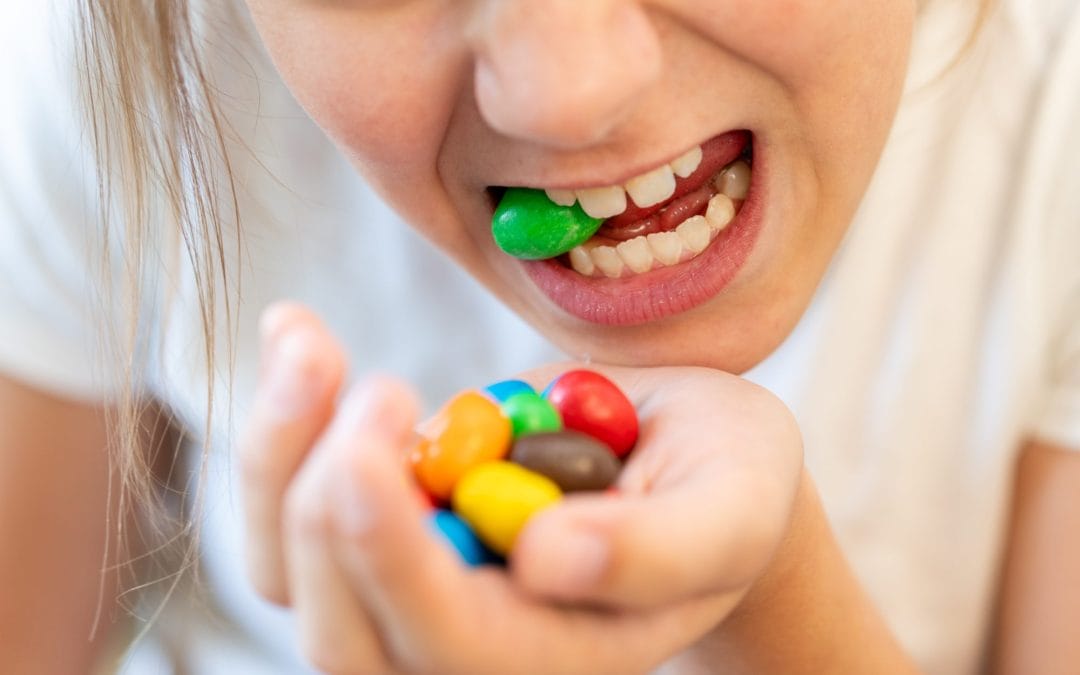
Halloween is a highlight of the spooky season. Costumes, pumpkin carving, and plenty of Halloween fun often come with a big bag of candy. As a parent, you may wonder how to handle all those sweet treats without turning November into a dental headache.
Here’s the reassuring truth: it often matters less how much candy your child eats on Halloween night and more how often they snack on it afterward. When you understand what repeated sugar exposure does inside the mouth, you can make a plan that protects tooth enamel while still letting kids enjoy Halloween treats.
How Halloween candy and teeth are connected (and why frequency matters)
When your child eats sugary foods, oral bacteria use that sugar as fuel. This leads to bacterial growth and an acid reaction that can soften tooth enamel. At Dentistry of West Bend, we often explain it like a series of “acid waves” that hit the tooth surfaces after each snack. The more often candy is eaten throughout the day, the more often your child’s enamel is challenged.
If candy is nibbled over a long time, food particles stay in the mouth longer, too. That gives acids more opportunities to wear down enamel and start tooth decay. From a dental health standpoint, a few planned times for treats is usually a better idea than constant grazing.
What happens after a piece of candy?
After a piece of candy, sugar and dietary acids mix with bacteria in the mouth. The result is an acidic environment that can weaken enamel. Saliva production helps by rinsing away sugars and neutralizing acids, but saliva needs time to do its job. If your child reaches for another sugary snack 20 minutes later, the clock resets.
This is why “how often” matters so much. The amount of time teeth are exposed to sugar and acid during frequent snacking can raise the risk of cavities more than one treat session paired with a meal.
Which types of Halloween candy are the worst offenders for tooth enamel?
Different candy affects oral health in different ways. Some options wash away more easily, while others cling to tooth surfaces and hide in the grooves of back teeth. The worst Halloween candies tend to be the ones that either stick around or bathe teeth in acid.
Common worst offenders include:
- Sticky candy and chewy candies like gummies, Sugar Babies, and Milk Duds. These can lodge between teeth and hang on for a long time.
- Hard candies that dissolve slowly. They keep sugar exposure going and can be tough on enamel. Some can even chip teeth if bitten.
- Sour candies that contain citric acid and other dietary acids. They can soften enamel, and then sugar adds another challenge.
You don’t need a scary list to make smart strategies. You just want to understand the type of candy and how it behaves in the mouth.
Better news: some Halloween treats are easier on your dental health
The good news is that you have options. Some sweet treats clear from the mouth more quickly, especially when eaten with a meal. For example, dark chocolate often melts and rinses away faster than gummy candy, and it typically has less sugar than many sticky options. Some people also like dark chocolate for its antioxidant properties, though it is still wise to treat it like candy.
Milk chocolate can be fine in moderation, but pay attention to the stickiness of the chocolate and fillings. Peanut butter cups, including classic peanut butter cups, can be less sticky than gummies for some kids, though peanut butter can still coat teeth. The goal is not perfection. The goal is planning.
Should your child eat Halloween candy all at once or spread it out?
If you are trying to protect your child’s teeth, it is a good idea to avoid spreading candy out all day. Choose one or two specific times for Halloween treats, ideally with a meal. Eating candy with lunch or dinner increases saliva production and helps wash away food particles.
This approach also reduces the number of acid cycles during the day. You are lowering your child’s risk of cavities without taking away the joy of Halloween. With a little planning, you can keep candy from turning into a week-long sugary playground for oral bacteria.
A simple “candy plan” that protects baby teeth and permanent teeth
Kids often keep snacking because candy is visible and easy to grab. A plan helps you stay calm and consistent, and it supports good oral hygiene at the same time.
Try these steps:
- Sort candy together. Let your child pick a few favorites and set the rest aside. This can reduce impulsive sugary snacks.
- Pick treat times. Limit candy to one treat window per day, or a couple of days per week. Pair it with a meal when you can.
- Keep water close. Encourage plenty of water after candy to help rinse sugars away.
- Brush before bed every night. Use fluoride toothpaste and help your child brush thoroughly, especially along the gumline and back molars.
- Don’t forget flossing. Chewy candies and sticky gummies often wedge between teeth where a toothbrush can’t reach.
This routine supports baby teeth now and helps protect the permanent teeth developing underneath the gums.
Watch out for drinks that add extra sugar exposure
Candy isn’t the only source of sugar exposure in October and November. Sugary drinks can quietly increase tooth decay risk because they coat teeth and often get sipped over time.
Common culprits include sports drinks and soda pop. Even if your child eats a small amount of candy, sipping sweet drinks throughout the day keeps the mouth in an acidic state. Water is the simplest upgrade. Milk with meals can also be a helpful choice for many kids.
What if your child already has cavities or tooth pain?
Dental concerns can feel stressful, especially if your child has had a tough dental visit in the past. You’re not alone, and you have supportive options. If you notice tooth sensitivity, visible dark spots, or your child avoids chewing on one side, it’s time to consider a dental check.
At Dentistry of West Bend, preventive dentistry focuses on catching concerns early, before they become bigger problems. Routine dental hygiene/exams include a careful look at teeth and gums, and digital X-rays when needed to check areas you can’t see. Early detection often means simpler dental care and a more comfortable experience for your child.
How can pediatric dentistry help during Halloween season?
Pediatric dentistry supports kids from age 3 through the teen years. Your child’s visit includes a gentle exam of the full mouth, professional cleaning, and guidance that fits their age and habits. Dr. Harding also keeps an eye on tooth development and can identify signs of tooth decay early, when treatment is usually easier.
What is the best way to lower the risk of cavities from Halloween candy and teeth?
Set a clear treat routine that limits snacking frequency, offer plenty of water, and keep nighttime brushing consistent with fluoride toothpaste. Pairing candy with meals helps, too. Regular dental hygiene/exams allow your dentist to spot early changes in enamel before they become cavities.
A calm reminder: you don’t need to fear Halloween candy
Halloween candy is part of childhood for many families. You can enjoy it without feeling like you’re choosing between fun and oral health. When you limit how often candy is eaten, choose the right time of day, and stay consistent with brushing and flossing, you give your child a strong foundation.
If you want personalized advice, we’re here to help. Dentistry of West Bend provides pediatric dentistry, preventive dentistry, and dental hygiene/exams in West Bend, WI. Contact us to schedule an appointment today and get a plan that supports your child’s smile all year long.
Recent Comments