
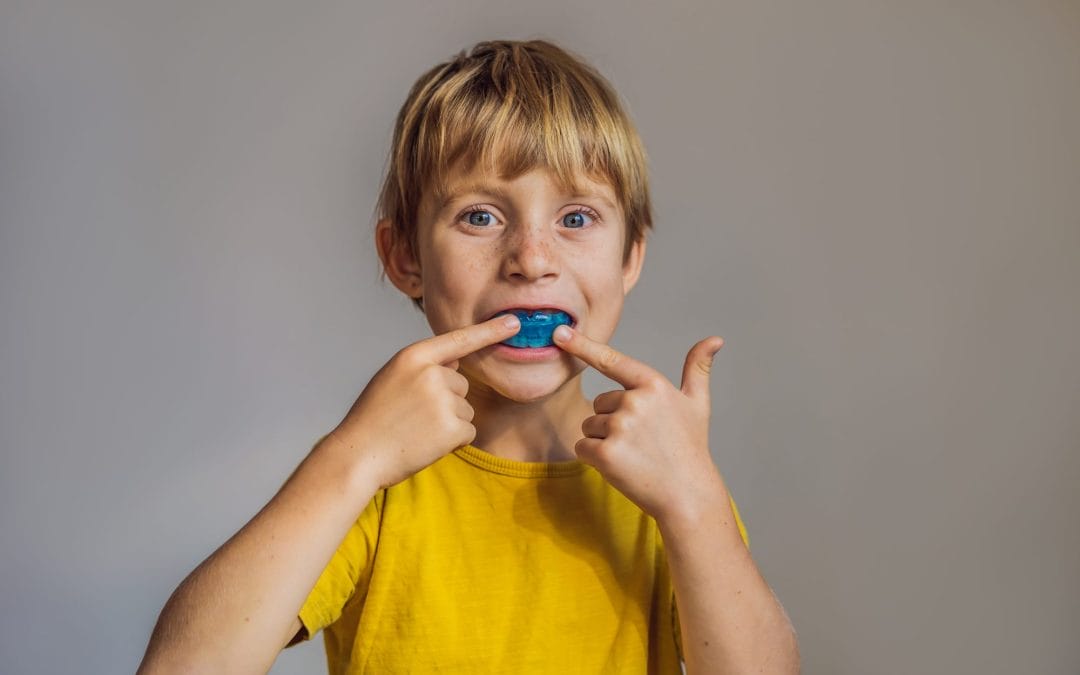
Spring is a busy season for youth sports. Your child may be moving from basketball to baseball, soccer, lacrosse, or martial arts classes. New practices, new gear, and often, a bigger body than last season. That growth matters for their smile, too. A sports mouthguard that fit well last year may now feel tight, loose, or uncomfortable.
At Dentistry of West Bend, we see how quickly a child’s teeth and jaw can change. A growth spurt, new adult teeth, braces, or even a shift in bite can affect how a mouthguard sits in the wearer’s mouth. When the fit changes, protection can drop. Checking fit at the start of spring sports is a simple step that supports your child’s dental health and helps protect their confidence on the field.
Why a secure fit matters in contact sports and beyond
Mouthguards play a crucial role in reducing the risk of dental injuries during youth sports. They cushion the impact of blows that can chip, crack, or knock out teeth. They also help reduce soft tissue cuts to the lips and cheeks and may lower the risk of facial injuries by absorbing and spreading force.
Not every sport looks like a classic “contact” game, but falls and collisions happen quickly. Field hockey and ice hockey are well known for higher injury risks. Sports like soccer, baseball, basketball, and skate sports also carry a real risk of injuries to the mouth. The American Dental Association encourages mouth protection for many athletic activities because dental trauma can happen in a single moment.
Is your child’s mouthguard still fitting?
A mouthguard should feel stable and comfortable. It should stay in place without your child clenching hard and allow clear breathing and speaking. If your young athlete keeps removing it, that is often a sign the fit is off or the material feels bulky.
Here are common signs your child’s mouthguard may need attention:
- It feels loose or shifts when they talk, run, or breathe hard
- It rubs the gums or causes sore spots on soft tissue
- It looks warped, thinned, or has bite marks and tears
- Your child gags or has trouble breathing comfortably
- It no longer covers the teeth the same way, including the lower teeth if it was designed to do so
- Your child has new adult teeth coming in, lost teeth, or orthodontic changes that affect the bite
A snug fit supports consistent use. When the fit feels easy, wearing it becomes part of the routine instead of a daily struggle.
Growing smiles change fast: what spring sports can do to a child’s mouth
Spring is a common time for growth spurts. You may notice shoes that suddenly do not fit, pants that look too short, and a bite that seems different than a few months ago. Those changes show up in a child’s mouth as well. As teeth shift and adult teeth erupt, the shape of your child’s smile changes. That changes how a mouthguard sits against the teeth and gums.
Traditional mouthguards, especially boil-and-bite mouthguards, can also distort over time. Chewing on them, leaving them in a hot car, or repeated molding attempts with hot water can affect the fit. Even careful families can be surprised by how quickly a guard breaks down during an active season. A properly fitted mouthguard supports comfort and protection through practices, games, and tournaments.
Comparing stock options, boil-and-bite, and custom mouthguards
You will see several types of mouthguards at sports stores. Each has a different feel, cost, and level of protection.
Stock options are pre-formed and ready to wear. They are often the lowest price point but tend to feel bulky and loose, which can make breathing and talking harder. For many kids, that leads to inconsistent use.
Bite mouthguards (often called boil-and-bite) soften in hot water and then get shaped by biting down. Families often finish by setting the material with cool water. These can be a great way to get a better fit than stock guards, but the fit depends on technique and the shape can change over time. If your child keeps biting and chewing on it, the guard can lose structure.
Custom mouthguards are made to match your child’s mouth. Your dental team uses bite models based on your child’s teeth, so the fit is designed for their bite and anatomy. Many families consider custom options the gold standard for a secure fit and superior protection. They often cost more upfront, and that higher cost can feel like a hurdle, especially during a busy sports season. Still, a great fit can improve comfort and help your child actually keep it in during play.
What is the right mouthguard for your child’s teeth?
The right mouthguard depends on your child’s sport, their age, and how their mouth is changing. The American Academy of Pediatric Dentistry supports mouthguards for young athletes in a wide range of activities, especially when the risk of dental injuries is higher. Your dentist can help you sort through what matters most for your child.
You can start with a few practical questions. Is your child playing a sport with frequent collisions, like hockey, lacrosse, or football? Are they in martial arts where sudden contact can happen? Do they have braces or orthodontic appliances? Is your top priority maximum protection, or do you need a solution that balances budget and comfort right now? For many families, the best mouthguard is the one your child will wear every time.
Fit tips for boil-and-bite mouthguards (and when to replace them)
If you are using boil-and-bite, careful molding makes a noticeable difference. Follow the package instructions closely, and do not rush the process. Over-softening can lead to a thin guard that wears out faster.
Here is a simple process many families use at home:
- Warm the mouthguard in hot water for the recommended time.
- Place it in the mouth and press it around the teeth and gums.
- Have your child bite gently and hold, so the shape forms around the teeth.
- Set the shape with cool water, then test for comfort and a secure fit.
Replacement is just as important as molding. If the guard looks worn, feels loose, or no longer matches the shape of your child’s mouth, it is time to adjust your plan. Your child’s mouthguard should never feel like a distraction during play.
Proper care that protects your child’s mouthguard between games
Daily habits help a mouthguard last longer and stay cleaner. Rinse it after each use, and let it dry fully before storing it. A ventilated case helps prevent odor and bacterial buildup, especially during tournaments when it gets packed away quickly.
Good proper care includes:
- Keep it away from heat sources, including dashboards and direct sunlight
- Store it in a ventilated case, not a sealed plastic bag
- Bring it to dental visits so we can check wear and fit
- Replace it if it becomes rough, sharp, or distorted
These steps support freshness and comfort. They also help the guard keep its shape and function.
Spring check-in: a simple step that supports peace of mind
Adding a mouthguard fit check to your spring routine is a practical way to lower the risk of injuries. You are already checking cleats, shin guards, and helmets. Checking a mouthguard belongs on that same list. It supports your child’s smile, confidence, and focus during games.
If you are unsure what your child needs, you do not have to figure it out alone. At Dentistry of West Bend, we take a calm, supportive approach to pediatric dentistry and prevention. We can look at your child’s teeth, talk through sports needs, and help you choose the best way forward, whether that is updating a current guard or exploring best sports mouthguard options for a perfect fit and unmatched protection.
Ready to check your child’s sports mouthguard?
If your child is starting spring practices and their guard feels different, it is a great time to schedule a visit today. A quick evaluation can help confirm a snug fit, reduce injury risks, and keep your young athlete protected all season. Contact Dentistry of West Bend to ask about a kids mouthguard for sports and custom mouthguards for a comfortable, secure fit that supports maximum protection
Recent Comments