
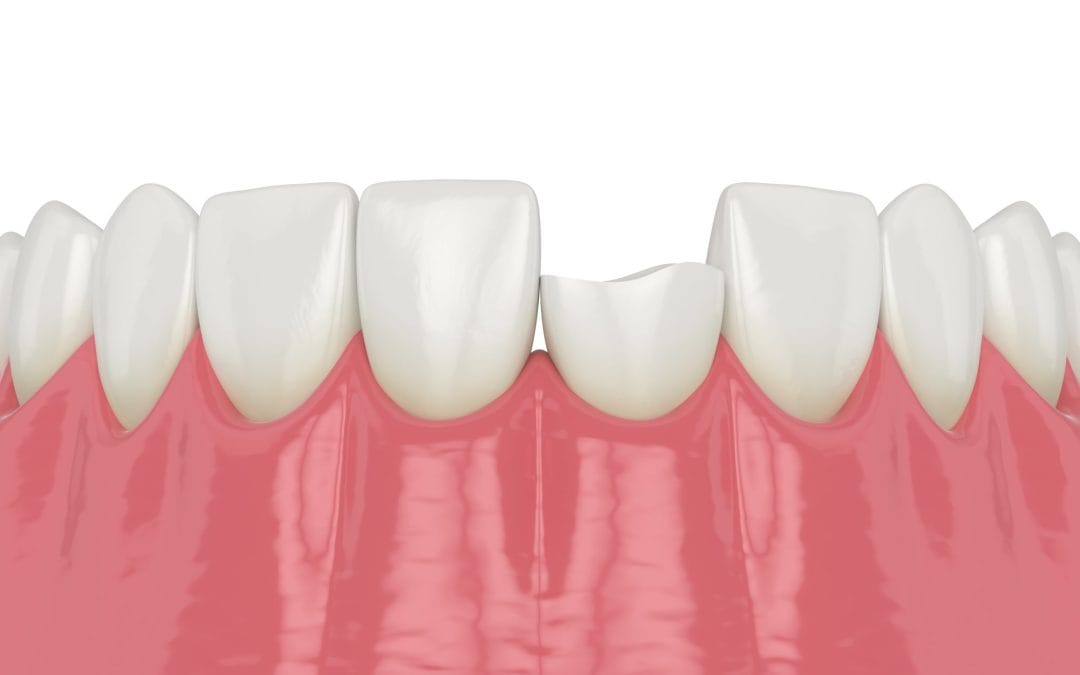
You keep feeling it with your tongue – a tiny rough spot on a tooth. It might be a sharp edge on a front tooth or on a back tooth when you chew. Many people ignore small chips because they do not hurt. You deserve clear answers and a calm plan, because early dental care often leads to easier, simpler solutions.
Chipped tooth treatment can be surprisingly straightforward. The right fix depends on the chip’s size, location, and whether the inside of the tooth is involved. At Dentistry of West Bend, we focus on comfort, early detection, and professional treatment that protects your natural tooth.
What causes a tiny rough spot on a tooth?
A tiny chip can happen in everyday ways. You might bite something hard, have old dental fillings that start to wear, or grind at night, which thins tooth enamel. Sometimes a cracked tooth starts as a small rough edge or a worn spot on the outer layer of your tooth.
Common causes include:
- Minor chips from biting ice, popcorn kernels, or hard candy
- Small chips along the front of the tooth from an accidental bump
- Wear from clenching or grinding, especially on the chewing surface
- A broken tooth edge around older composite resin material
- A filling that no longer seals tightly
The good news is that many minor chips can be managed with a minimally invasive option when addressed early.
Is it a dental emergency or something that can wait?
A tiny chip is not always a dental emergency but deserves attention because rough edges can catch, spread, and lead to further damage. The damage’s severity is easiest to judge in a dentist appointment, especially if you are unsure whether the chip reaches the part of the tooth below enamel.
Contact us sooner if you notice any of these:
- Pain when biting that could suggest a cracked tooth
- Temperature sensitivity that lingers, indicating irritation
- Swelling, a pimple-like bump on the gums, or signs of damaged tissue
- A large piece of tooth missing or a change in your bite
If you simply feel a sharp edge with your tongue, you can often schedule during normal hours. A regular checkup is also a smart time to bring it up, as small changes are easy to miss without a close look.
What should you do at home while you wait?
You can take a few simple steps to ease discomfort and protect the tooth until you come in. These tips do not replace professional treatment but can help you avoid further fractures.
Rinse with warm water and keep the area clean. If the tooth feels sharp, place dental wax over the edge to protect your cheek and tongue. Avoid chewing on that side, especially with sticky or crunchy foods, and try not to pick at the chipped area. If you grind at night, wear your mouth guard if you have one, since grinding can worsen small chips over time.
When does chipped tooth treatment mean smoothing vs. repairing?
A rough spot can come from multiple sources, so the best option depends on what we see during your exam. Sometimes the fix is a painless smoothing that takes very little time. Other times we recommend a restoration that strengthens a weakened part of the tooth and reduces potential risks.
Common possibilities include:
- Smoothing and polishing: For tiny chip edges or worn enamel, a quick smoothing may remove the sharp edge and help the tooth feel normal again.
- Repairing or replacing a filling: If the rough area is at the edge of dental fillings, the filling may need adjustment or replacement to restore a clean seal.
- Restoring lost tooth structure: If a medium chip affects chewing or appearance, bonding, inlays, onlays, or a dental crown may provide a comprehensive solution.
Even when a chip looks small, it can expose a weaker layer beneath enamel. That is why early evaluation matters.
Dental bonding for small chips and rough edges
Dental bonding is a popular choice for minor cosmetic solutions and practical repairs. It uses composite resin material matched to your natural tooth color. The material is shaped to replace the missing part of the tooth, then hardened with a special blue light.
Bonding can work well for:
- Small chips on front teeth where appearance matters
- A rough edge on the front of the tooth that keeps catching your tongue
- Minor chips near the gumline or areas with exposed roots
Bonding is often a simple procedure, and it can be a fantastic option when you want a natural look with conservative changes. Your comfort comes first, and anesthesia is not always needed unless decay or deeper shaping is involved.
Repairing an old filling that feels rough
A rough spot can be the edge of a filling that has worn down. Fillings protect your tooth by sealing out bacteria and restoring strength. When the seal weakens, you can become more vulnerable to decay and further damage. If decay forms under or around the filling, the tooth can weaken and the entire tooth can eventually be at risk.
At Dentistry of West Bend, most fillings are tooth-colored composite resin fillings. If your filling needs attention, we focus on restoring a smooth, comfortable bite while protecting the natural tooth underneath. This is also a key part of preventive dentistry, since treating small cavities early helps you avoid more intensive treatment later.
Inlays and onlays for medium chips and worn chewing surfaces
Sometimes a chip affects the chewing surface or a cusp, especially on a back tooth. If the damage is bigger than what a standard filling should handle, inlays and onlays become strong alternative solutions. An inlay restores the area within the cusps. An onlay covers one or more cusps, which can help support the tooth when more structure is missing.
Inlays and onlays are designed to fit the part of the inside of the tooth that needs rebuilding while keeping as much healthy structure as possible. They also create a tight seal that helps prevent further damage and irritation. If you have medium chips or an old filling that keeps breaking down, this can be one of the most effective treatment options to stabilize your bite.
When a crown can be the best option
A dental crown covers and protects a tooth when there is significant damage or when a cracked tooth could spread. Crowns are also considered when a tooth has large restorations or weakened areas that could fracture again. Think of a crown as a protective cap that supports the remaining tooth structure so you can bite and chew with more confidence.
If the tooth needs to be protected quickly, a temporary crown may be used while a final crown is being made. This approach helps guard the tooth from further fractures and reduces sensitivity. Crowns are often recommended when bonding or a filling would not provide enough long-term strength.
Could a small rough spot mean you need a root canal?
Many people worry that any chip means a root canal. Usually, small chips do not lead there. A root canal becomes relevant when the inner area of the tooth is inflamed or infected. That area contains nerves and blood vessels, and it sits deeper inside the tooth near the root. If bacteria reach that space, root canal therapy may be recommended to remove infected tissue and protect the tooth.
Signs that point more toward root canal treatment include lingering heat or cold sensitivity, spontaneous pain, swelling, or pain when you bite. Your exam helps us determine whether the root and surrounding areas are healthy and whether you need additional care beyond basic chipped tooth treatment.
How preventive exams help you avoid bigger repairs
A small rough edge is often your early warning sign. Preventive visits help us catch changes while they are easier to treat. During a regular checkup, we look for wear patterns, small cracks, early decay, and changes around old fillings. We can also talk about habits like grinding and whether a night guard or mouth guard makes sense for you.
If you feel a tiny chip, you are not overreacting by scheduling a visit. You are being proactive.
The bottom line: get it checked while it stays small
If you have a sharp edge, a rough filling, or a chipped tooth that keeps bothering you, you deserve a clear answer and a calm plan. Many cases of chipped tooth treatment are quick and comfortable, especially when you address them early. Whether you need smoothing, dental bonding, updated dental fillings, or an inlay, onlay, or dental crown, we will help you choose the most effective treatment for your tooth and your goals.
If you are in West Bend, WI, contact Dentistry of West Bend to schedule your dental appointment. We will take a close look, explain your treatment options in plain language, and help you feel comfortable every step of the way.
Recent Comments