
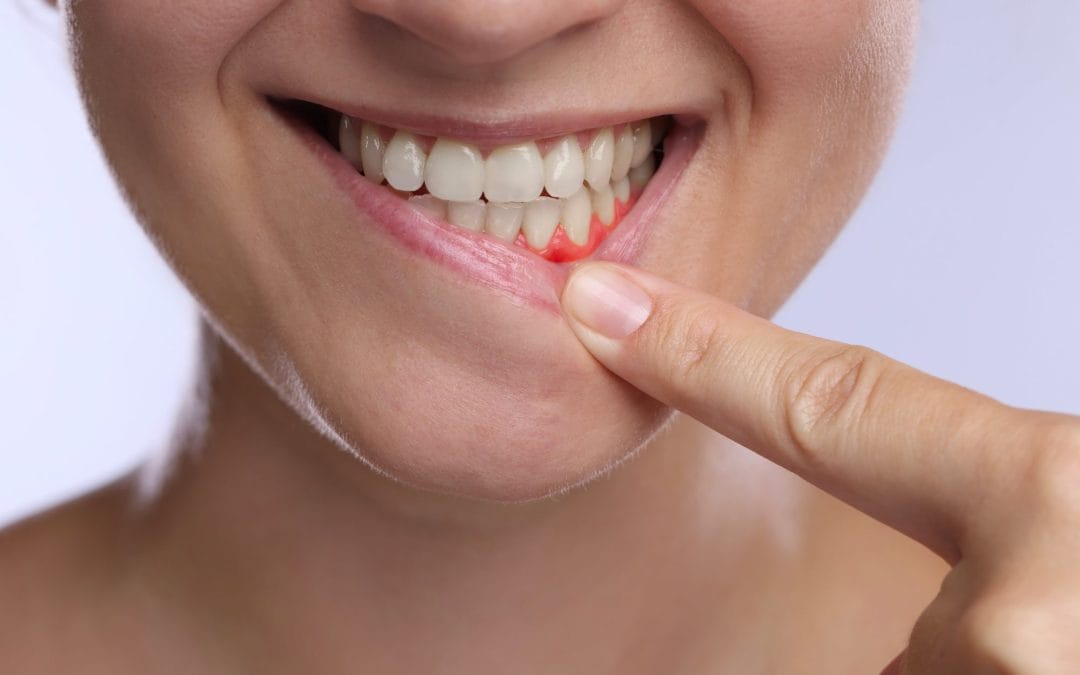
If you notice soreness in a small area of your mouth, it can feel confusing. Your whole smile may seem fine, yet one spot along the gum line feels tender, puffy, or irritated. In many cases, this kind of localized discomfort has a clear, fixable cause. The key is finding the root cause early, before it turns into a bigger gum health or tooth problem.
Gum pain around one tooth can result from something as simple as food debris stuck under the gum tissue or something that needs prompt dental care, like tooth decay, a cracked tooth, or a bacterial infection. A focused exam can pinpoint the affected area and guide appropriate treatment to protect your oral health long-term.
Why is gum pain around one tooth happening?
Gum pain around one tooth usually means something is irritating the gum area around a single tooth. It could be trapped food particles, a small injury from aggressive brushing, an early sign of gum disease, or an infection near the tooth root. Because it is in a specific area, it often points to a localized underlying cause that a dental office can quickly identify during an exam.
Common reasons your gums hurt in a single area
When discomfort is limited to a single area, it helps to think about what is different there. Did something get stuck? Is there a filling or dental appliance nearby? Do you tend to brush harder in that spot? These are some of the most common causes behind gum pain.
Food debris trapped under the gum line
A common issue is food debris wedged between teeth or tucked under the gums. Crunchy foods like popcorn or chips can leave sharp fragments behind. Even healthy foods can pack into tight spaces and cause gum irritation.
You may notice tenderness when you floss, a feeling of pressure, or a bad taste that comes and goes. Cleaning the area gently can help, but if the gum swelling stays for more than a day or two, it is time to schedule a visit. You may have deeper buildup that needs professional help.
Plaque and tartar buildup leading to gum inflammation
Even with good oral hygiene, plaque can build up in areas that are harder to reach. If plaque hardens into tartar, it can irritate the surrounding tissue and lead to localized gum inflammation. This can look like a small red bump or swollen gum tissue next to one tooth.
This is often an early warning sign of gingivitis, a mild form of gum disease. Early treatment and a consistent oral hygiene routine can often calm things down and support healthy gums. A dental hygiene visit can remove stubborn buildup that home care cannot reach.
Aggressive brushing or flossing in one spot
You can do everything “right” and still end up with gum problems if you brush too hard. Aggressive brushing can scrape the gum tissue, especially near the gum line. That irritation can feel like soreness around a single tooth, and it may be worse when you eat acidic foods or use a whitening product.
Switching to gentle pressure and a soft toothbrush usually helps. If the gum pain persists, your dental team can check for recession or other changes in the area that need attention.
A cavity or untreated cavity irritating the tooth and gums
Sometimes the pain you feel in the gums is actually coming from the tooth. Tooth decay can progress quietly, then start to irritate the nerve or the tissue around the tooth root. You might notice sensitivity to cold, discomfort when chewing, or a tender spot near one tooth.
An untreated cavity can also trap food particles and bacteria near the gum area, leading to swelling and bad breath. A simple exam can show whether you need a filling or another type of treatment.
A cracked tooth or bite stress
A cracked tooth can create sharp edges, invite bacteria, and stress the supporting tissue. Some cracks are obvious, while others are tiny and hard to see on your own. If you notice persistent pain when biting down, or soreness that flares and fades, a crack may be involved.
Bite stress, also called occlusal trauma, can also inflame the area around a single tooth. In some cases, dental appliances like a nightguard can help protect teeth if clenching or grinding is part of the problem.
Localized infection or abscess
If bacteria get under the gum line or into the tooth, an infection can develop. You might see gum swelling, feel throbbing gum pain, or notice a bump near the gum line. Some people also report a bad taste or stronger bad breath.
Infections need early treatment. The goal is to control the bacterial infection, relieve discomfort, and protect the tooth and surrounding tissue. Your dentist will evaluate the area and recommend treatment options based on what is causing the infection.
When localized gum pain is a sign of periodontal disease
Periodontal disease is an infection that affects the gums, connective tissue, and supporting bone around the teeth. It often starts small, and it may begin around one tooth before spreading. Early symptoms can be easy to ignore, especially if you do not see much bleeding.
As gum disease progresses, pockets can form around the tooth. That space collects bacteria and makes it harder for proper oral hygiene to keep up. Over time, periodontal disease can contribute to bone loss, loose teeth, and eventually tooth loss. That is why dental hygiene and exams matter, even when you only feel discomfort in a single tooth area.
At Dentistry of West Bend, periodontal disease treatment is centered on controlling infection and improving gum health. Deep cleaning, also called scaling and root planing, is one of the most common forms of gum therapy. It removes plaque and tartar from below the gum line and smooths rough areas on the tooth roots so gum tissue can heal and tighten.
Early warning signs to watch for in the affected area
Localized tenderness often comes with other clues. Paying attention to these changes can help you seek dental care at the right time, without waiting for persistent pain to worsen.
Common warning signs include:
- Redness or swollen gum tissue in a specific area
- Bleeding when brushing or flossing near a single tooth
- A bad taste that lingers, especially near the gum line
- Bad breath that does not improve with your usual oral hygiene routine
- Pain while chewing on one side of the mouth
If you notice loose teeth, increasing gum swelling, or discomfort that keeps returning, it often points to an underlying cause that needs professional evaluation.
What you can do at home right now (and what to avoid)
If the discomfort is mild and recent, gentle home care can help soothe the gum area while you monitor it. The goal is to reduce irritation and keep the area clean without causing more inflammation.
Here are safe steps you can try:
- Rinse with warm salt water to help calm tender gum tissue and flush out food particles.
- Brush gently with a soft toothbrush and focus on the gum line without scrubbing.
- Floss carefully to remove food debris, stopping if you feel sharp pain or see heavy bleeding.
- Avoid tobacco use, which can slow healing and worsen gum disease risk.
Try to avoid picking at the area with toothpicks or other objects. Also avoid very crunchy foods that can wedge into the area again, and limit acidic foods if the tissue feels raw.
If symptoms do not improve quickly, home care should not replace an exam. Gum pain around one tooth that lasts longer than a few days deserves a closer look.
What to expect at a dental exam for gum pain around one tooth
A dental visit can feel like a relief because you get answers. During a dental hygiene and exam appointment, your dental team will look at the gum tissue, the tooth, and the surrounding tissue to find what is driving the irritation. They may check for plaque buildup, gum inflammation, periodontal pockets, tooth decay, and tooth stability.
If the problem is gum-related, you may benefit from a deeper cleaning to remove bacteria below the gum line. If the issue is tooth-related, you may need a filling or other restorative care to address the source of irritation. If periodontal disease is present, early treatment helps control infection and protect the supporting bone.
When you should schedule a visit
You deserve to feel comfortable and confident about your oral health. Consider contacting a dental office soon if you have persistent pain, visible gum swelling, a loose tooth, or symptoms that keep returning in the same spot. A calm, early evaluation often leads to simpler care and better long-term results.
At Dentistry of West Bend in West Bend, WI, we focus on preventive dentistry and early detection. If you are dealing with gum pain around one tooth, we are here to help you understand what is happening and choose appropriate treatment that supports healthy gums. Contact us to schedule your dental hygiene/exam or ask about periodontal disease treatment, including deep cleaning when needed.
Recent Comments